
Hilton Head Wildlife and Nature
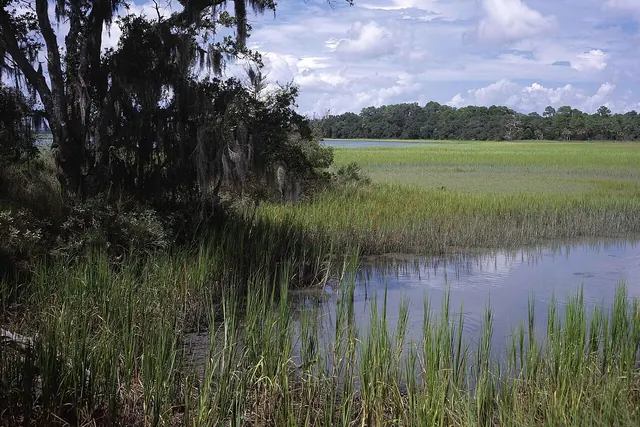
Dolphins, alligators, birds, Spanish moss and pluff mud: what lives on the island and how to see it safely.
Salt marsh and a Spanish moss live oak on Pinckney Island, one of the island’s best places to look for wildlife.
Hilton Head Island is a barrier island of salt marsh, tidal creeks, live oak forest and ocean beach, and that mix holds more wildlife than most visitors expect. These are the plants and animals people ask about most, with the short answer here and a full guide behind each card below.
Wildlife You Can See on Hilton Head
The most visible Hilton Head wildlife is in the water and the marsh. Bottlenose dolphins live in the sounds and creeks all year, loggerhead sea turtles nest on the beaches in summer, and the marshes and lagoons are full of wading birds, ospreys and, in the right seasons, bald eagles. More than 350 species of birds have been recorded on the island and its marshes, which is why Hilton Head Island birds are a draw on their own.
On land, the island has its own subspecies of white-tailed deer, plus raccoons, river otters and the occasional bobcat. Foxes, both gray and red, live in South Carolina, but they keep to themselves and are shy of people; the animals you are likely to meet around the plantations are deer and raccoons. Hilton Head Island animals also include alligators, which sun on the banks of the freshwater lagoons and in the Sea Pines Forest Preserve.
Alligators: Keep Your Distance
Alligators live in the island’s freshwater lagoons, ponds and golf course water hazards, not on the beach. Stay well back from the bank, keep children and dogs away from the water’s edge, and never feed one: feeding alligators is illegal in South Carolina, and a fed alligator loses its fear of people.
The Lowcountry Plants and Marsh
Two things catch every visitor’s eye before any animal does. The gray strands hanging from the live oaks are Spanish moss, a flowering plant and not a moss. And the soft, sulfur-smelling mud in the tidal creeks is pluff mud, the base of the marsh food web. In late summer and fall, the orange butterflies in every garden are gulf fritillaries.
Where to See Hilton Head Nature
The best places to see wildlife are the preserves and refuges, and those have their own hub: see our guide to Hilton Head parks and preserves, which covers Pinckney Island National Wildlife Refuge and the island’s county and town parks. For dolphins, a boat tour is the sure bet, and for loggerhead turtles, the nesting season guide below covers the rules for the beach at night.
Nature Guides
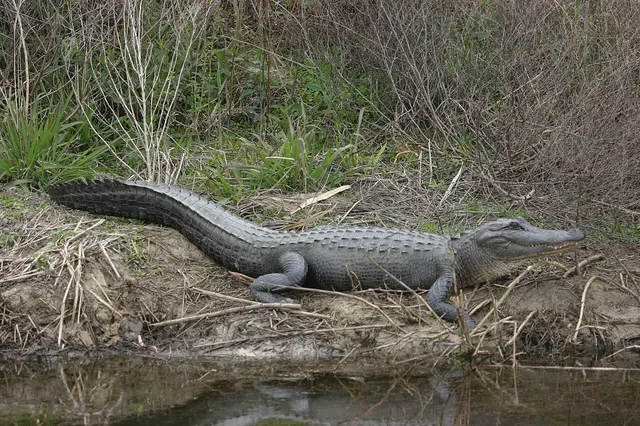
Are there alligators on Hilton Head? Where you see them, how far to stay back, whether they go into saltwater, and who to call about a nuisance alligator.
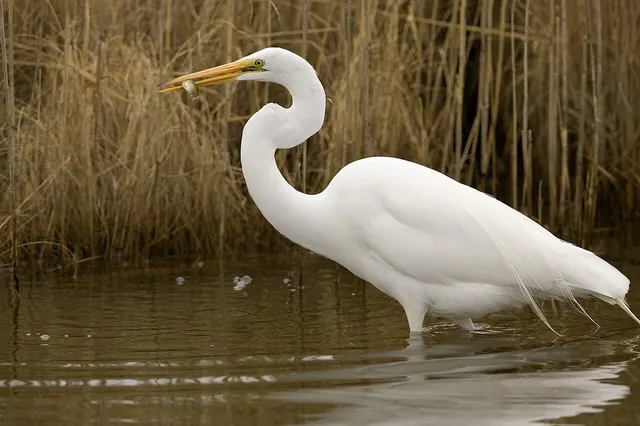
Birds of Hilton Head SC: herons, egrets, roseate spoonbills and anhingas, the best places to see them, and the Hilton Head Audubon Society's bird walks.
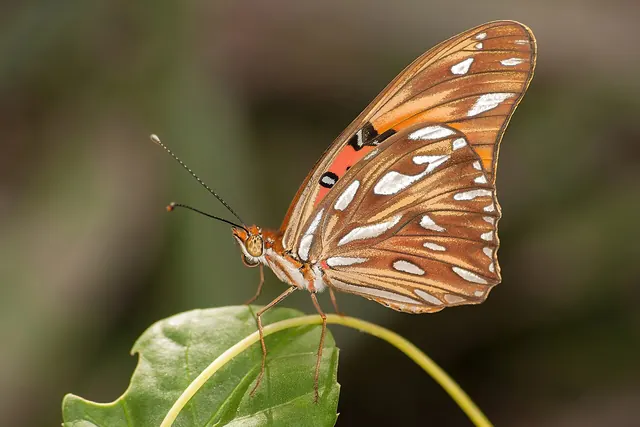
The orange butterfly in every Lowcountry garden is the gulf fritillary. How to tell it from a monarch, its caterpillars, passionflower and when to see it.
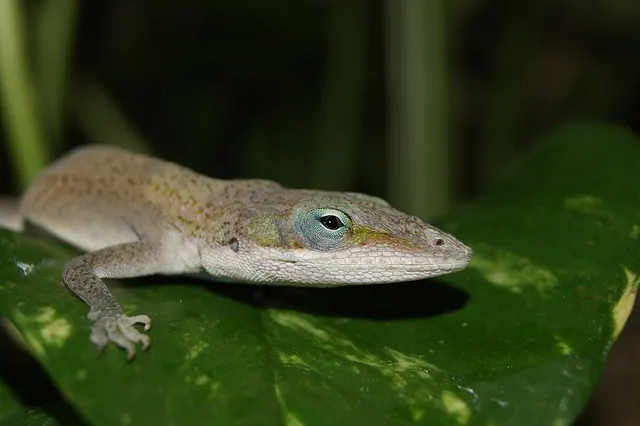
Lizards in South Carolina and on Hilton Head: green and brown anoles, skinks, fence lizards and glass lizards, and how to tell them apart.
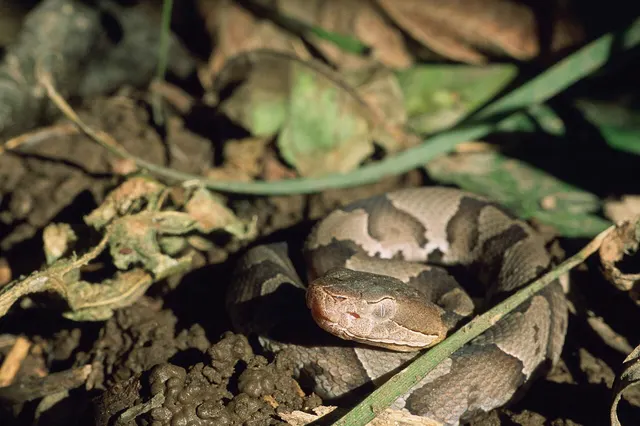
Snakes on Hilton Head Island: the common harmless species, the six venomous South Carolina snakes, what to do if you see one and what to do after a bite.
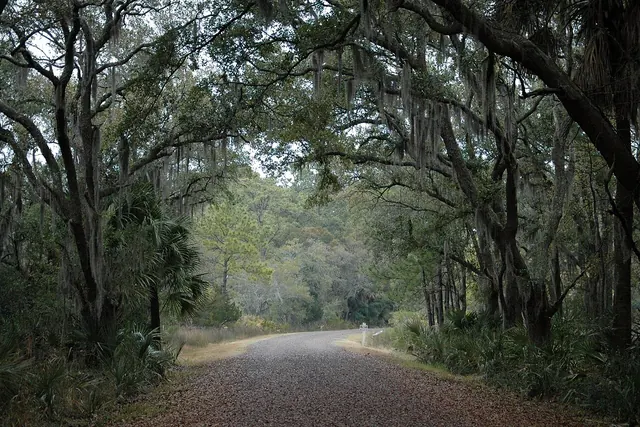
What is Spanish moss, where does it come from and what trees does it grow on? It is a flowering plant, not a moss, and it does not kill the oaks.
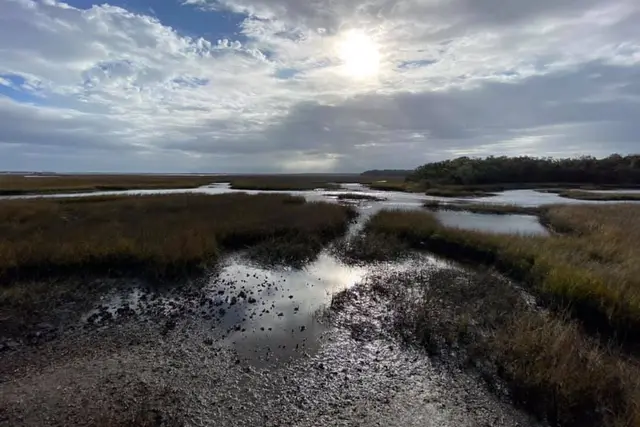
Pluff mud is the soft, sulfur-smelling mud of the Lowcountry marsh. What it is, why it smells, what grows out of it and how to avoid getting stuck.
More Wildlife and Where to See It
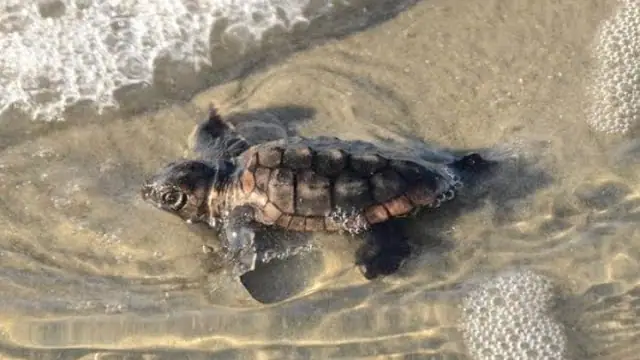
When do sea turtles hatch on Hilton Head? Nesting and hatching months, nests by year, Sea Turtle Patrol HHI and the lights-out rule for beach homes.
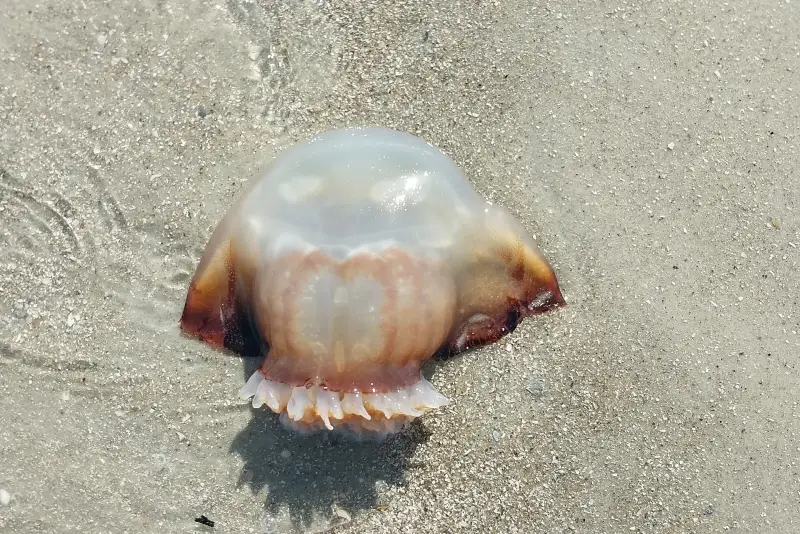
Hilton Head jellyfish: when sea nettles and cannonball jellies show up, which ones sting, what to do for a sting, what sea pork is, and stingray safety.
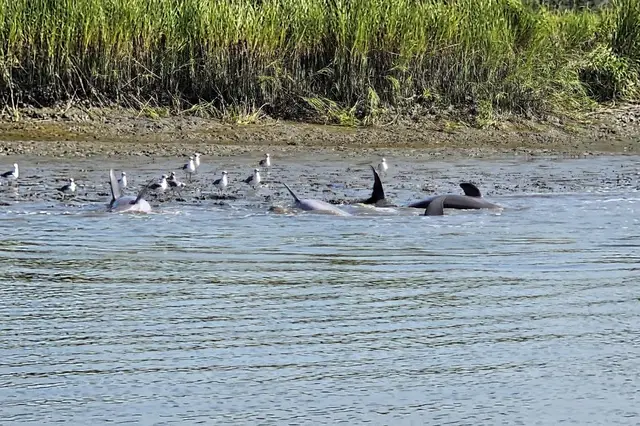
Hilton Head dolphin tours and cruises compared: shared boats from about $40, private boats, drive-your-own tours and kids' pirate cruises, with prices.
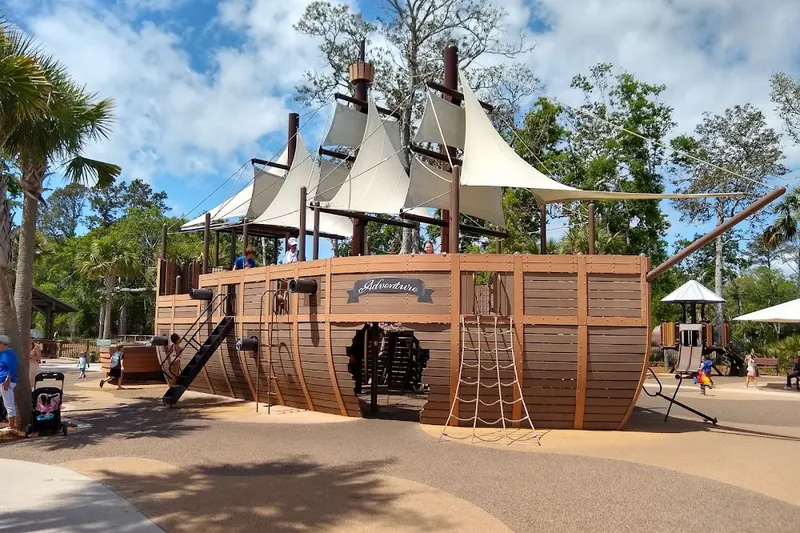
Hilton Head SC parks worth a visit: a pirate-ship playground, Pinckney Island trails and Mitchelville, plus every Town park, address and amenity.
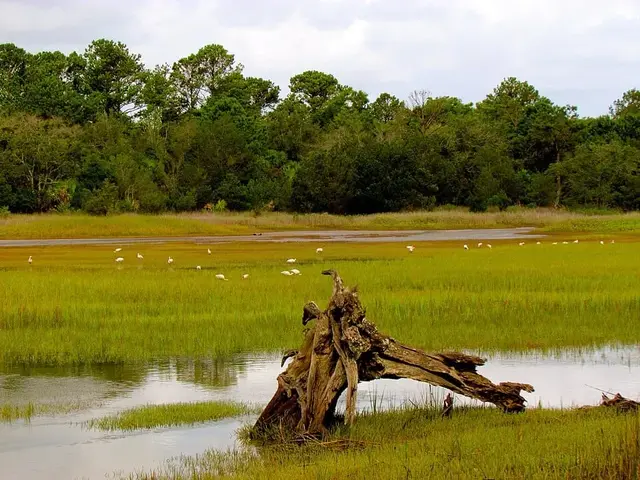
Pinckney Island National Wildlife Refuge: free, open sunrise to sunset, with 14+ miles of trails, wading birds and no dogs allowed. Directions and tips.
Frequently Asked Questions
What wildlife can you see on Hilton Head Island?
Bottlenose dolphins, loggerhead sea turtles in summer, more than 350 bird species, white-tailed deer, raccoons, river otters, alligators on freshwater lagoons and the occasional bobcat.
Are there alligators on Hilton Head?
Yes, in freshwater lagoons, ponds and the Sea Pines Forest Preserve. Keep your distance, keep pets and children back from the bank, and never feed them: it is illegal in South Carolina.
Are there foxes on Hilton Head?
Gray and red foxes both live in South Carolina but are shy and mostly active at night. The mammals you are most likely to see around the island’s plantations are deer and raccoons.
What birds are on Hilton Head Island?
More than 350 species have been recorded: ospreys, bald eagles, egrets, herons, pelicans, wood storks and many shorebirds. The marsh edges and Pinckney Island National Wildlife Refuge are the best places to look.
What is the hanging gray stuff on the trees?
Spanish moss. It is not a moss at all but a flowering plant related to the pineapple, and it does not harm the live oaks it hangs from.
Where is the best place to see wildlife on Hilton Head?
Pinckney Island National Wildlife Refuge and the Sea Pines Forest Preserve for birds, alligators and deer, and a dolphin boat tour for dolphins.
Local guides like this come standard for Guests of Partner Properties — one small part of what a Partner Property gives every guest.
Book Partner Properties