
Birds of Hilton Head Island
Herons, egrets, spoonbills and ospreys: where to see them, and the Audubon bird walks.
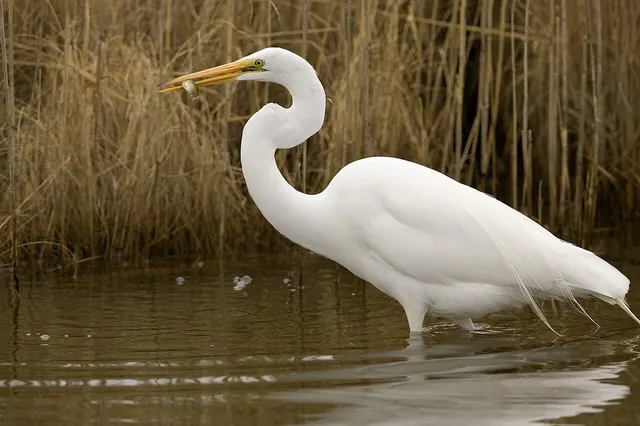
A great egret with a fish, at Chincoteague National Wildlife Refuge, Virginia.
The birds of Hilton Head SC are mostly shore and marsh birds: herons and egrets in every creek, pelicans and gulls at the beach, ospreys over the water and, in warm months, the odd pink roseate spoonbill. The island sits on the Atlantic Flyway, so the list changes with the seasons, and spring and fall migrations and the winter waterfowl bring the most variety.
Birds of Hilton Head Island, SC
Birds of Hilton Head Island SC fall into a few easy groups. Wading birds such as great and snowy egrets and the herons stand in marsh edges and lagoons. Shorebirds run along the tideline. Raptors such as ospreys fish the creeks. Songbirds and migrants pass through the live oak woods in spring and fall. The U.S. Fish and Wildlife Service’s bird list for Pinckney Island National Wildlife Refuge has more than 250 species.
South Carolina Coastal Birds and Where to See Them
Pinckney Island National Wildlife Refuge by the bridge is the island’s best birding. Breeding wading birds there include snowy and cattle egrets, tricolored, little blue and black-crowned night herons, and it is one of the best places in South Carolina to see breeding yellow-crowned night herons. The refuge is also the place for winter waterfowl. For woods and a pond, try the Audubon Newhall Preserve below. The Sea Pines Forest Preserve has lagoons and marsh edges, and the low-tide flats near Fish Haul Beach Park attract shorebirds.
SC Water Birds: Herons, Egrets and Ibis
Water birds are why most people come. Look for them at low tide along the marsh edge and at the banks of lagoons. Standing still and stalking are how herons and egrets fish. The long-legged, white birds with yellow bills are great or snowy egrets. The refuge’s wading birds also include herons and night herons.
Roseate Spoonbill in South Carolina
The roseate spoonbill is pink, with a flat spoon-shaped bill, and is the bird visitors don’t expect. Roseate spoonbill South Carolina sightings come in spring and summer, when spoonbills feed in Lowcountry marshes at low tide, and they have nested on Pinckney Island in late spring. Check the marsh at low tide.
The Anhinga, or Dive Bird
The anhinga is a dark water bird that dives and spears fish underwater. It swims with only its long, slender neck and head above the surface, which is why it is called the snakebird. Look for one on a lagoon or pond, often perched with its wings held out to dry.
Hilton Head Audubon Society and the Newhall Preserve
The Hilton Head Audubon Society runs the island’s regular bird walks. Hilton Head Audubon holds free guided tours of the Audubon Newhall Preserve every Tuesday and Thursday morning, led by a Master Birder or naturalist. No reservation is needed. Meet in the parking lot by 8:30 AM, and bring water, binoculars and insect repellent. The society also lists field trips on its events calendar, from shorebird walks to birding by boat, and it posts the season’s start dates for the preserve tours.
The preserve is at 55 Palmetto Bay Road and is open every day from sunrise to sunset. About a mile of connected trails run through it, with the roots cleared so the paths are wheelchair accessible, and more than 140 bird species have been recorded there. See the society’s own site, hiltonheadaudubon.org, for the calendar.
What Is the South Carolina State Bird?
South Carolina’s state bird is the Carolina wren, a small, rusty-brown bird with a white eyebrow stripe and a loud song. It nests around porches and gardens, so you will probably hear one at your rental before you see it.
More Nature on Hilton Head
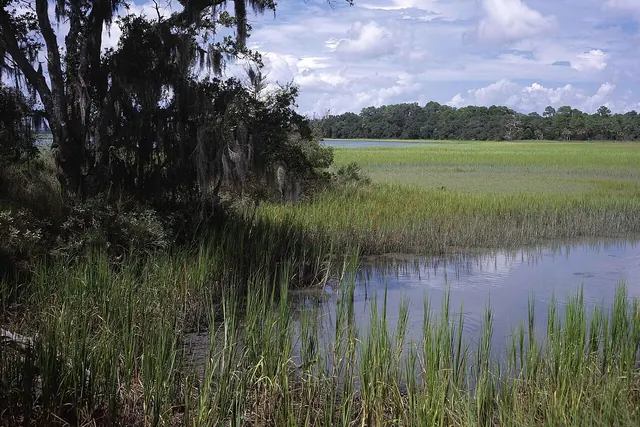
Hilton Head wildlife and nature, answered: dolphins, alligators, birds, Spanish moss, pluff mud and butterflies, and where to see them safely.
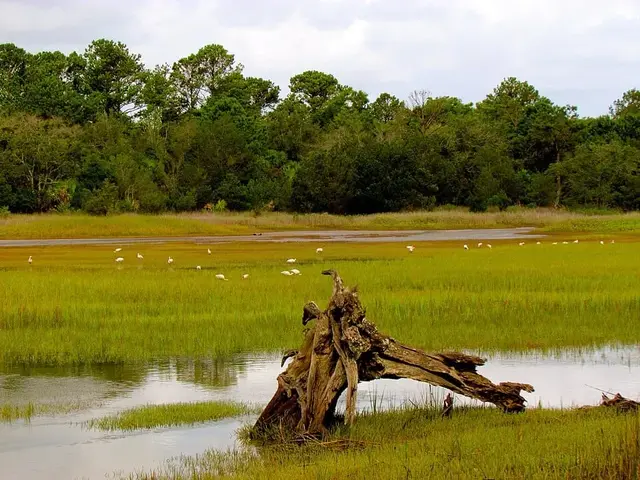
Pinckney Island National Wildlife Refuge: free, open sunrise to sunset, with 14+ miles of trails, wading birds and no dogs allowed. Directions and tips.
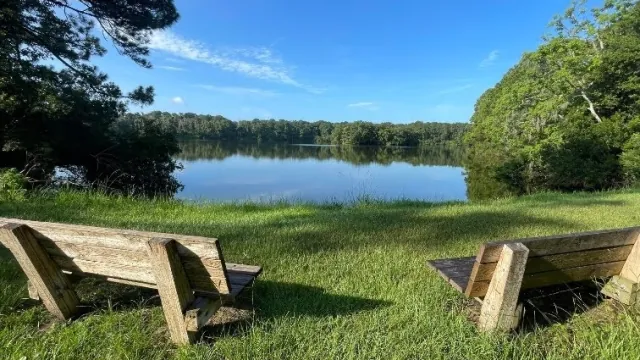
Sea Pines Forest Preserve on Hilton Head: 605 acres, trails, the Shell Ring, Fish Island, alligator tours, hours, parking, and the gate fee.
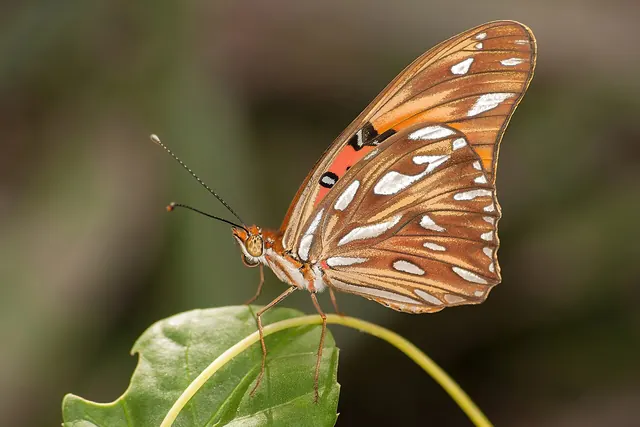
The orange butterfly in every Lowcountry garden is the gulf fritillary. How to tell it from a monarch, its caterpillars, passionflower and when to see it.
Frequently Asked Questions
What birds are on Hilton Head Island?
Wading birds such as egrets and herons, shorebirds, ospreys, pelicans and gulls, plus songbirds and migrants in spring and fall. Pinckney Island’s bird list has more than 250 species.
Where is the best birding on Hilton Head?
Pinckney Island National Wildlife Refuge, then the Audubon Newhall Preserve, the Sea Pines Forest Preserve and the low-tide flats at Fish Haul Beach Park.
Does the Hilton Head Audubon Society lead bird walks?
Yes. It holds free guided tours of the Audubon Newhall Preserve on Tuesday and Thursday mornings, led by a Master Birder or naturalist. No reservation is needed; meet by 8:30 AM.
Are there roseate spoonbills in South Carolina?
Yes, in spring and summer, feeding in Lowcountry marshes at low tide. They have nested on Pinckney Island.
What is the dive bird that looks like a snake in the water?
The anhinga, also called the snakebird. It swims with only its neck and head above water and spears fish underwater.
What is the South Carolina state bird?
The Carolina wren.
Where is the Audubon Newhall Preserve?
55 Palmetto Bay Road. It is open daily from sunrise to sunset and has about a mile of wheelchair-accessible trails.
Local guides like this come standard for Guests of Partner Properties — one small part of what a Partner Property gives every guest.
Book Partner Properties