
Gullah Geechee People and Culture on Hilton Head
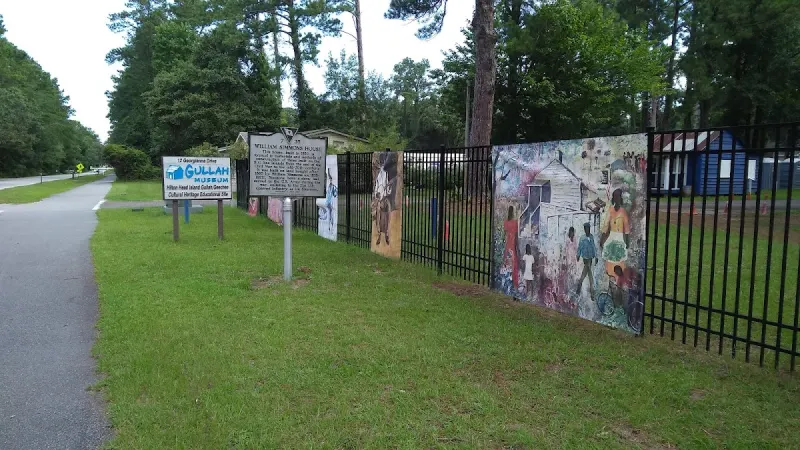
The living culture of the Sea Islands: its people, language and food, and where to meet it on Hilton Head.
Book a Gullah Tour
Gullah heritage tours you can book online.
Gullah Heritage Trail Tours
Private Gullah Heritage Trail Tour Requests
Seasonal: next dates not posted yet


Booked through FareHarbor, the island operators’ own booking system. HHI.com may earn a commission.
Gullah Tours and the Gullah Museum
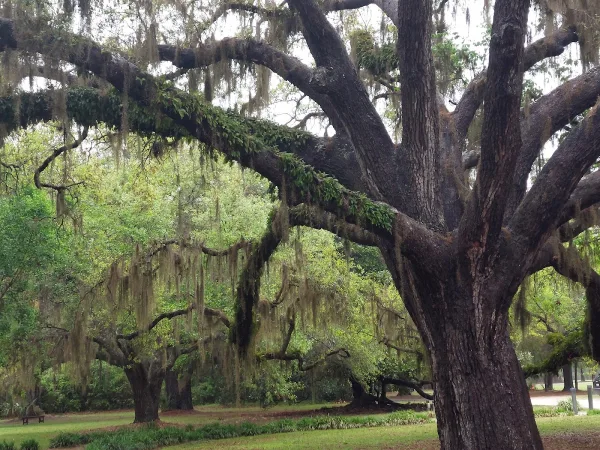 Read the guide
A narrated bus tour of the island’s Gullah neighborhoods, led by guides who grew up here before the bridge. It leaves from the Coastal Discovery Museum at Honey Horn.
 Visit Website ↗
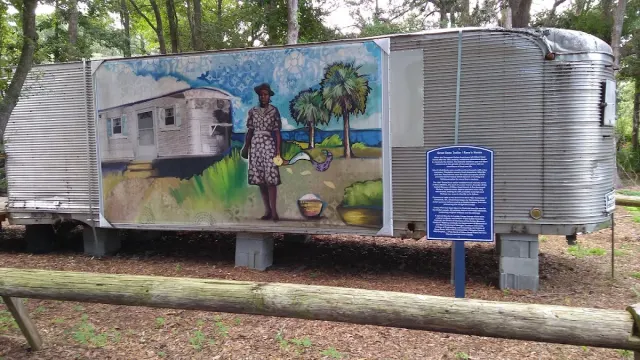
A 1930 family house on Gullah land off Gum Tree Road, kept as it was lived in. 12 Georgianna Dr. Open Monday, Wednesday and Friday; call ahead on (843) 681-3254.
Gullah Heritage Sites to Visit
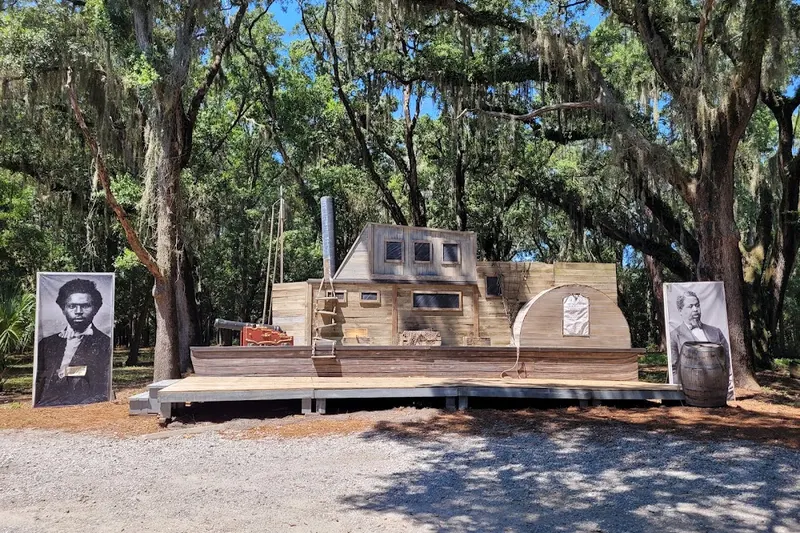
Historic Mitchelville Freedom Park, on the site of the first self-governed town of freed people in the US: free trail, exhibits and guided tours.
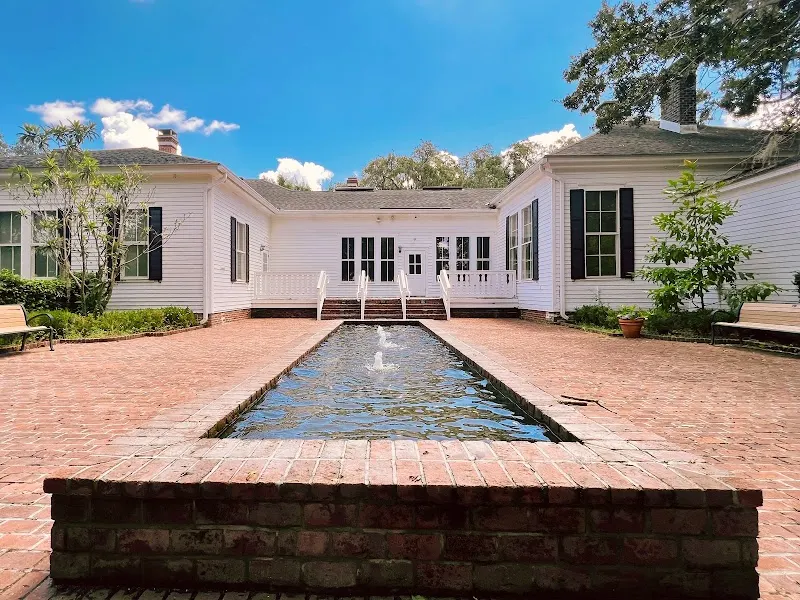
The Coastal Discovery Museum at Honey Horn: free admission, hours, tours and cruises, the farmers market and how to visit this Smithsonian Affiliate.
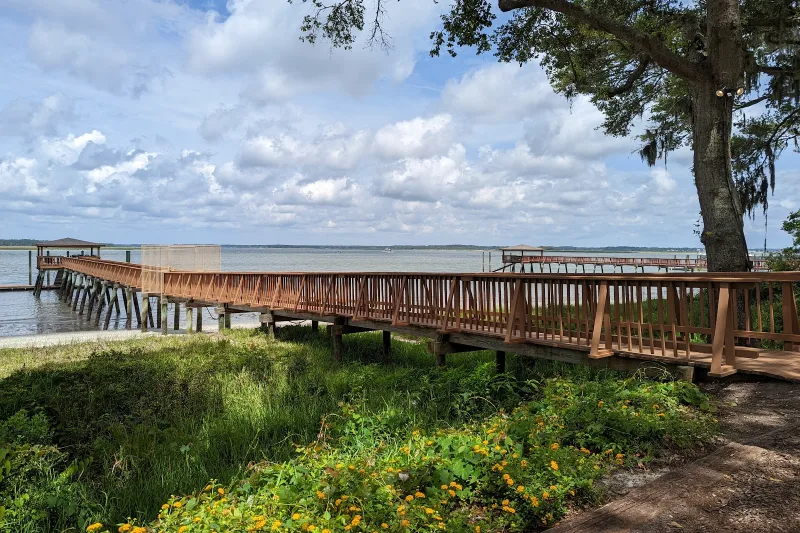
Spanish Wells, Hilton Head: homes on acre lots between Broad Creek and Calibogue Sound, a private nine-hole club open to non-residents, and its history.
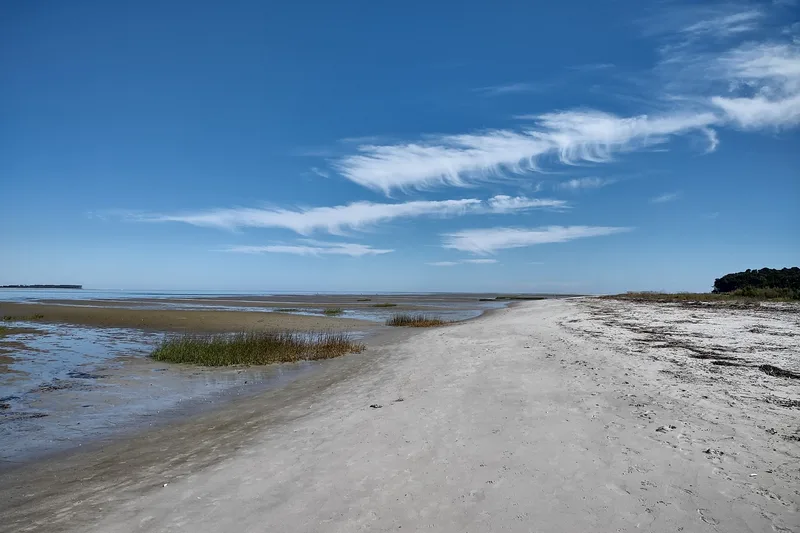
Fish Haul Beach Park, formerly Mitchelville Beach Park, on Hilton Head Island: address, parking, and amenities for this sound-side beach in Bay Gall.
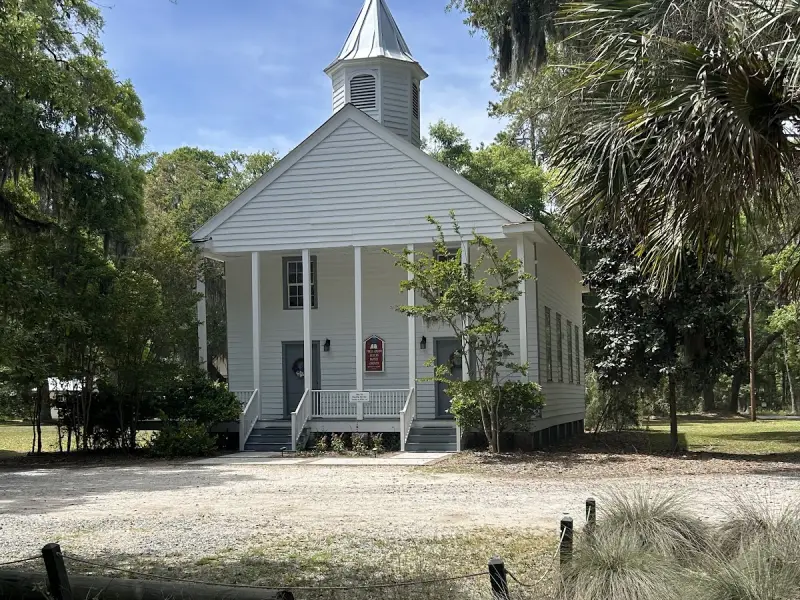
Yamacraw Island is Daufuskie: Pat Conroy's The Water Is Wide, the island's Gullah heritage and oyster days, and the historic church and school to visit.
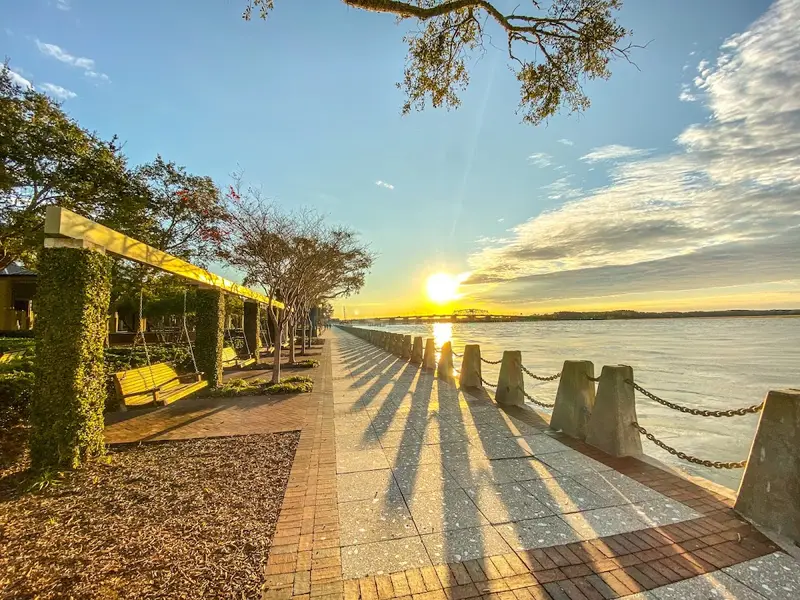
Hilton Head to Beaufort is under an hour: the drive, the waterfront, carriage tours, Penn Center, Old Sheldon Church and Hunting Island.
What Is Gullah Culture?
The Gullah Geechee people are descendants of West and Central Africans who were enslaved on the rice, indigo and Sea Island cotton plantations of the Southeast coast, from North Carolina to Florida. The Sea Islands were cut off from the mainland, and the people who worked them far outnumbered the planters, so they kept more of their African language, crafts, food, music and faith than any other African American community. That heritage is not in the past tense: Gullah families still live on the land their ancestors bought after the Civil War, and still cook, speak, sing and worship in ways handed down from West Africa.
Gullah and Geechee name the same people. In South Carolina they are usually called Gullah; in Georgia and north Florida, Geechee. Where the words come from is not settled: Gullah may come from Angola or from the Gola people of Liberia and Sierra Leone, and Geechee may come from the Ogeechee River near Savannah. Many people now say Gullah Geechee for the whole coast.
The Gullah Language
Gullah is a creole language: English words with grammar, sounds and many words that came from African languages. It grew up on the plantations, where people from many parts of Africa needed a shared tongue, and it survives on the Sea Islands today, often alongside standard English. One Gullah word every Hilton Head visitor meets is binyah, a native, someone who has “been here.” In 2005 the American Bible Society published a Gullah New Testament, De Nyew Testament, and Hilton Head native Emory Campbell served on its translation team.
Gullah Geechee Food
Rice is the center of the Gullah table, as it was of the plantation economy that West African rice growers built. Around it: red rice, okra soup, shrimp and grits, deviled crab, oysters roasted over a fire, collards, sweet potatoes and benne (sesame), all cooked from the creeks and gardens. On the island, Ruby Lee’s serves Southern cooking with Gullah roots, and the family-run Spanish Wells Seafood and Produce sells the day’s catch. Across the bridge in Bluffton, Ma Daisy’s Porch is built around Gullah Geechee cooking.
Hilton Head’s Gullah Neighborhoods
After Union troops took Hilton Head in 1861, freed people founded Mitchelville, and when the war ended many bought land of their own. From the late 1860s they built family neighborhoods across the island, each a cluster of related households with a praise house and a landing on the water: Stoney, Jonesville, Spanish Wells, Gardner and Marshland, Chaplin and Simmons Fishing Camp among them. Until the bridge opened in 1956, the island was reached by boat, and Gullah families farmed, fished, crabbed and oystered much as their grandparents had.
Resort building changed that fast. Much of the island’s land passed to developers, and the Gullah land that remains is often heirs’ property: family land handed down without a will, owned in common by many descendants, and easy to lose to a forced sale. Keeping it in the family is the central struggle of the island’s Gullah community today.
Josephine Wright and Gullah Land on Hilton Head
That struggle became national news through Josephine Wright, who lived on her husband’s family land in Jonesville, a neighborhood named for a Black Civil War veteran who escaped slavery and bought land there. In 2023, in her nineties, she was sued by the developer of a planned subdivision next door over claims that her property encroached on its land. Her fight drew support from across the country, including a pledge from Tyler Perry to rebuild her home. She died in January 2024 at 94, and her case is still cited as the clearest example of the pressure on Gullah land.
The Gullah Museum of Hilton Head Island
The Gullah Museum is a small house on Gum Tree Road, on land the Simmons family bought after the Civil War. Georgianna Jones Bryan built it in 1930 for her brother, William “Duey” Simmons, and it shows everyday life in a Gullah farming community before the bridge. The museum, a nonprofit founded in 2003, restored it in 2010 and 2011, and holds storytelling, music, food and oyster roast events on the grounds through the year. Its motto is to preserve the island’s Gullah history “lest we forget.” Visits are on Mondays, Wednesdays and Fridays; call ahead.
The Gullah Geechee Cultural Heritage Corridor
In 2006 Congress named the coast from Pender County, North Carolina, to St. Johns County, Florida, the Gullah Geechee Cultural Heritage Corridor, a National Heritage Area run with the National Park Service. It takes in the Sea Islands and the land about 30 miles inland, and its commission works with communities to record and keep Gullah Geechee places, stories and traditions. Two of its chairs came from this corner of South Carolina: Emory Campbell of Hilton Head and Ron Daise of St. Helena Island, who also starred in Nick Jr.’s Gullah Gullah Island.
Gullah Tours on Hilton Head Island
The easiest way in is a tour with someone who grew up in it. Gullah Heritage Trail Tours runs a narrated bus tour of the island’s Gullah neighborhoods from the Coastal Discovery Museum, with guides born here before the bridge, and books private tours for groups. Outside Hilton Head’s “A Day the Gullah Way” goes to Daufuskie Island with Sallie Ann Robinson, a Gullah cook and author who grew up there. Up the coast, Penn Center on St. Helena Island, one of the first schools for freed people, is the heart of a day trip to Beaufort.
Each February, Black History Month brings the island’s Gullah Celebration: a month of food, music, art, storytelling and history events held at venues across the island.
Where to Eat Gullah Food
Ruby Lee’s Hilton Head: Southern and Gullah-inspired dinner with live blues, jazz and soul six nights a week. OpenTable reservations, hours and phone.
Spanish Wells Seafood & Produce, a Gullah family-run stand on Spanish Wells Road, Hilton Head: local shrimp, fish and fresh produce. Closed Mondays.
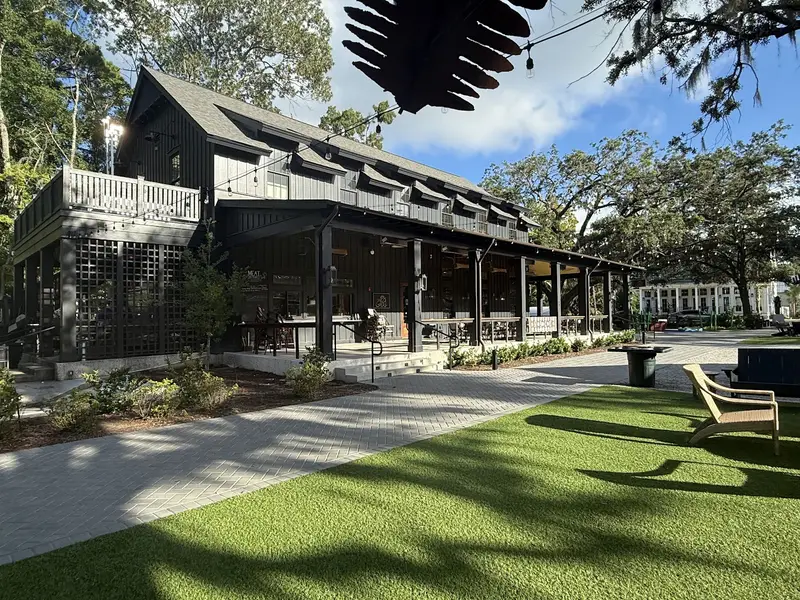
Ma Daisy's Porch in Bluffton, SC: Gullah cuisine at Chef B's, Backus Bakery, a heritage center and a market on two acres. Menu, brunch and reservations.
History, Museums and the Show
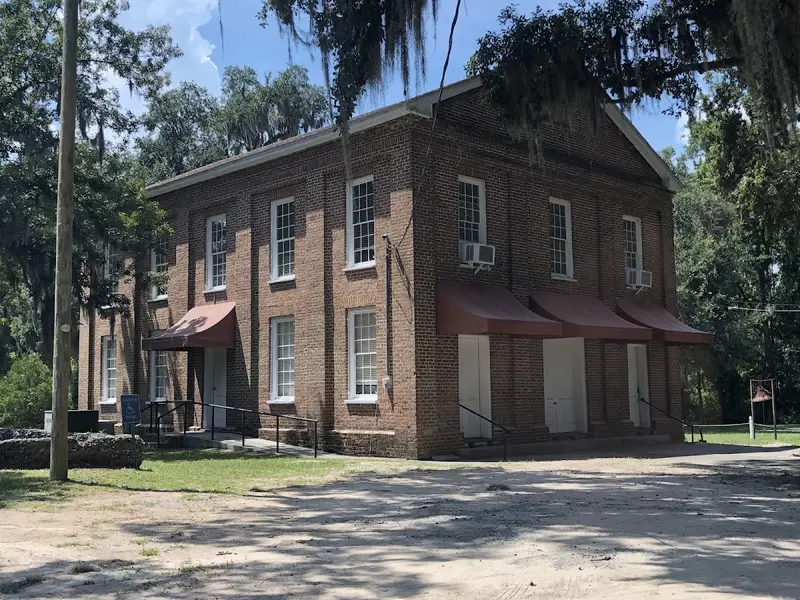
Is Gullah Gullah Island a real place? The Nick Jr. show's cast then and now, Binyah Binyah, where it was filmed and streams, and the culture behind it.
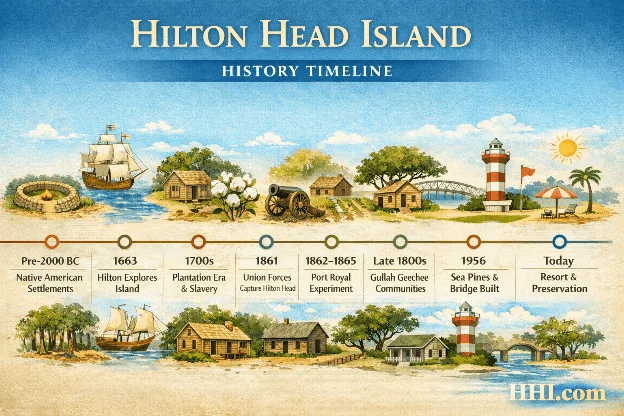
Hilton Head Island history from 4,000-year-old shell rings and Captain William Hilton to the Civil War, Gullah Geechee communities and Sea Pines.
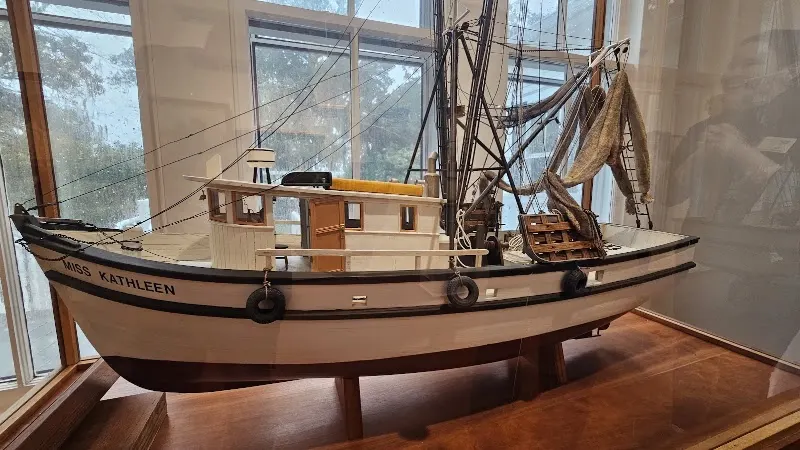
Hilton Head museums: the free Coastal Discovery Museum, The Sandbox Children's Museum and the small museums inside the lighthouse and clubhouse.
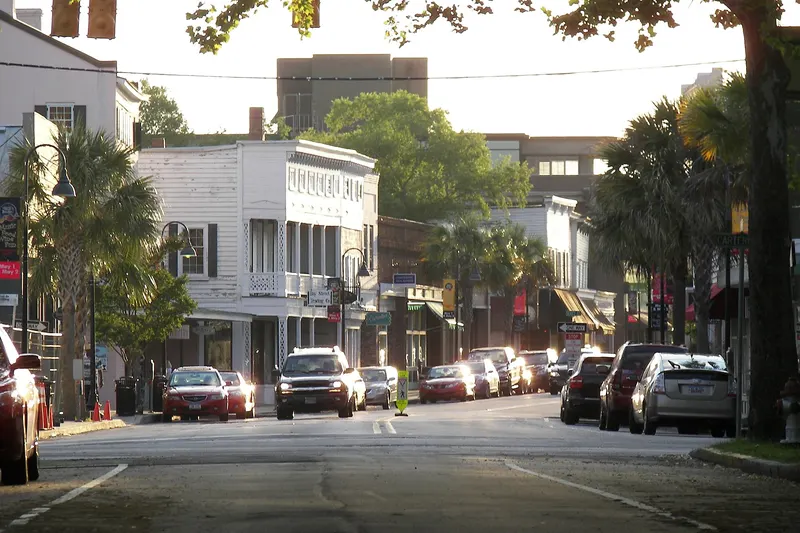
Movies filmed in Beaufort, SC and the Lowcountry: Forrest Gump, The Great Santini, The Prince of Tides and more, plus a day trip from Hilton Head.
Frequently Asked Questions
What is Gullah Geechee culture?
The culture of the descendants of enslaved West and Central Africans on the coast and Sea Islands from North Carolina to Florida. Isolation let them keep African language, food, crafts, music and faith, and Gullah Geechee families still live on Hilton Head and the islands around it.
What is the difference between Gullah and Geechee?
They are the same people. Gullah is the name used mostly in South Carolina and Geechee mostly in Georgia and north Florida, so many people say Gullah Geechee for the whole coast.
What language do Gullah people speak?
Gullah, an English-based creole with grammar and many words from African languages. Most Gullah speakers also speak standard English.
Where can I learn about Gullah culture on Hilton Head?
Take a Gullah Heritage Trail tour from the Coastal Discovery Museum, visit the Gullah Museum on Gum Tree Road (Mondays, Wednesdays and Fridays), and walk Historic Mitchelville Freedom Park. In February the Gullah Celebration fills the month with events.
Is Gullah Gullah Island a real place?
No. It was a Nick Jr. children’s show filmed in a studio in Orlando with outdoor scenes from around Beaufort, but it was inspired by the real Gullah culture of St. Helena Island, home of its star Ron Daise.
Local guides like this come standard for Guests of Partner Properties — one small part of what a Partner Property gives every guest.
Book Partner Properties