
Hilton Head Island Jellyfish and Stingrays
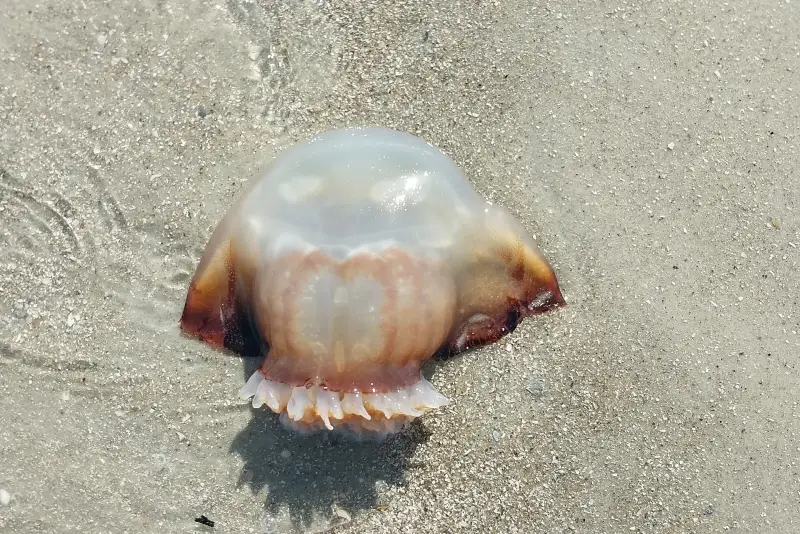
Cannonball jellies wash up by the hundreds and rarely sting; sea nettles are the ones to watch for, mostly in summer.
- Most common: cannonball jellies, which rarely sting
- The stinger: the sea nettle, with long, thin tentacles
- Peak season: June through August
- If stung: rinse with vinegar or seawater, never fresh water
- Warning flag: purple, on the lifeguard stands
Most summers you will see jellyfish on Hilton Head Island, usually on the sand before you see one in the water. Nearly all of them are cannonball jellies, which look alarming and do almost nothing. The one that stings is the sea nettle, and a few simple habits (watching the flags, shuffling your feet, and knowing what to put on a sting) cover most of what can go wrong in the water here, stingrays included.
Cannonball Jellies: The Ones on the Sand
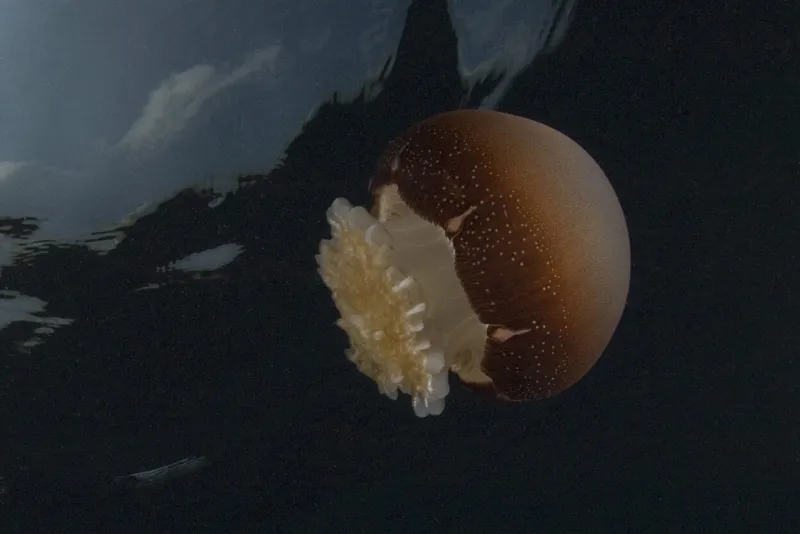
A cannonball jelly is a firm, round dome, milky white with a brown or purplish band around the rim, and seldom more than eight to ten inches across. It has no trailing tentacles, just a chunky feeding stalk underneath. They gather near the coast and the mouths of the creeks in summer and fall, and the tide leaves them along the beach in rows, sometimes dozens to a stretch of sand. Locals call them jellyballs.
They are among the least venomous jellyfish on this coast and aren’t known for stinging swimmers. Leave them where they are anyway: there is no reason to handle one, and a stranded jelly on the sand is already dying.
Sea Nettles: The Ones That Sting
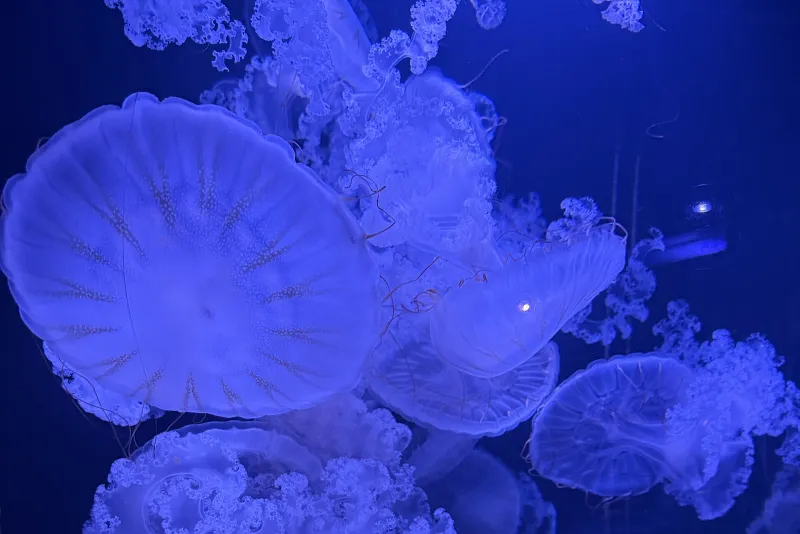
The Atlantic sea nettle has a smaller, see-through bell and tentacles that can trail several feet behind it, which is how it catches swimmers who never saw it. Sea nettles cause most of the stings on Hilton Head each year, and they are most common in the warm months. A sting burns right away and often leaves red welts in lines, like whip marks, where a tentacle wrapped around an arm or leg.
When Is Jellyfish Season on Hilton Head?
Summer, as a rule. Sea nettles peak from June through August, and cannonball jellies show up in the largest numbers from summer into fall. Some weeks the tide line is covered with them and other weeks you won’t find one, so check with the lifeguards on the day rather than planning around a calendar.
What to Do About a Jellyfish Sting
Get out of the water and tell a lifeguard. Shore Beach Service guards staff the stands on the Town’s beaches in season.
Rinse the area with vinegar or with seawater. Don’t use fresh water: it can make the stinging cells still on your skin fire again.
Lift off any bits of tentacle with tweezers or the edge of a card, not your fingers.
Get medical help for trouble breathing, swelling beyond the sting, or a sting across a large area of skin.
For anything more than a mild sting on the south end, Sea Pines Immediate Care treats marine injuries, from jellyfish and stingrays to fish hooks.
Stingrays on Hilton Head and the Stingray Shuffle
Stingrays spend the summer in the shallows off Hilton Head, half buried in the sand where you can’t see them. They aren’t aggressive; a sting almost always comes from someone stepping on one. The fix is the stingray shuffle: slide your feet along the bottom as you wade instead of lifting them, and the rays feel you coming and glide away.
If one does get you, soak the wound in water as hot as you can stand without scalding, for at least 30 minutes, which eases the pain. Then have it looked at, because a piece of the barb can stay in the wound and it can become infected.
Purple Flags and Lifeguards
A purple flag on a lifeguard stand means dangerous marine life is in the water. On Hilton Head that is usually sea nettles or stingrays, and now and then a shark. It doesn’t close the beach, but it is the day to ask the guard what they have seen before you go in. For more on sharks, see sharks off Hilton Head, and for the island’s beaches, start at the Hilton Head beaches guide.
More Beach Wildlife
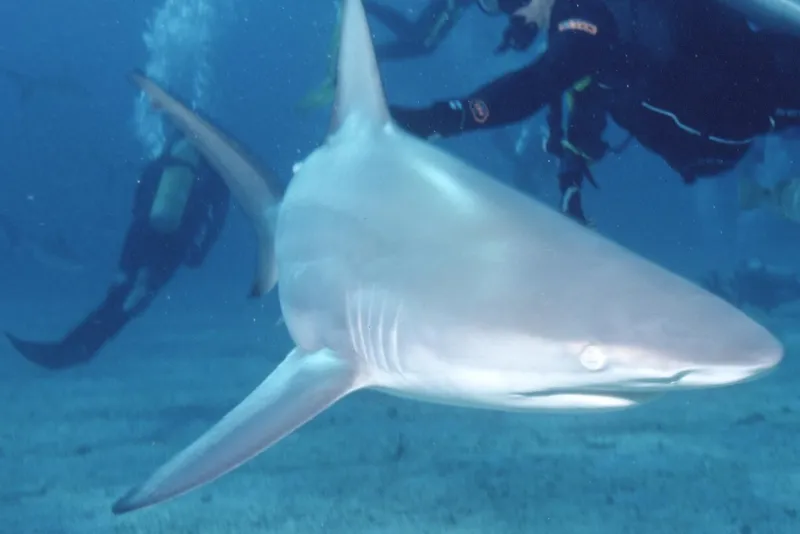
Sharks off Hilton Head: the species in the surf, when they are around, the bites reported at Sea Pines and Coligny, and how to lower the odds.
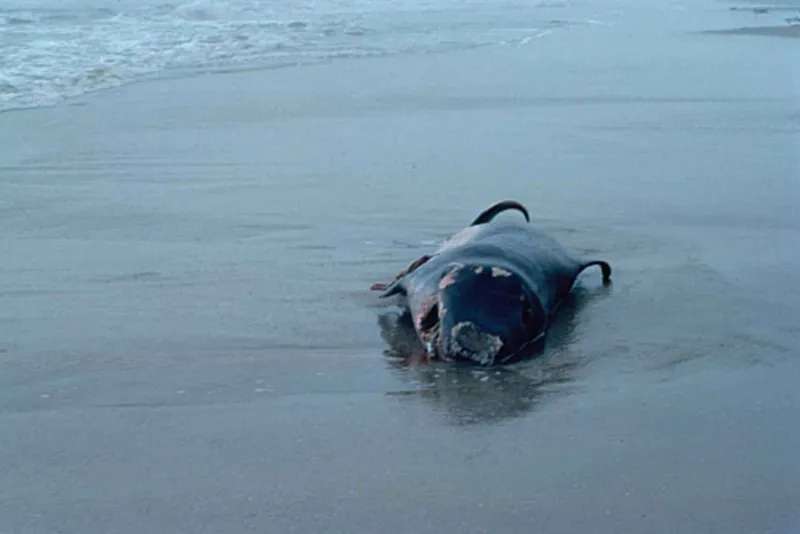
The sperm whale that beached on Hilton Head in May 2025, earlier strandings on the island, and who to call if you find a whale or dolphin on the sand.
Sea turtles nest on Hilton Head's beaches from May through October. How conservation efforts protect nesting mothers and hatchlings, and how you can help too.
Every named beach on Hilton Head Island — Coligny, Driessen, Folly Field, Burke's, and more — with parking, amenities, and which one is right for your trip.
Frequently Asked Questions
When is jellyfish season on Hilton Head?
Summer. Sea nettles, the jellyfish that sting, peak from June through August. Cannonball jellies come in the largest numbers from summer into fall. Numbers change from week to week, so ask the lifeguards on the day.
Do the jellyfish on Hilton Head sting?
The sea nettle does, and it causes most of the stings on the island each summer. The cannonball jelly, the round one you see washed up on the sand, is one of the least venomous jellyfish on this coast and isn’t known for stinging.
What should you put on a jellyfish sting?
Rinse it with vinegar or seawater, never fresh water, which can make the stinging cells left on the skin fire again. Lift off any tentacle pieces with tweezers or a card, and see a lifeguard or a doctor if the reaction is strong.
Are there stingrays at Hilton Head?
Yes, in the shallows in summer, buried in the sand. Shuffle your feet as you wade so they move off. If you are stung, soak the wound in water as hot as you can stand for at least 30 minutes and have it checked.
What does a purple flag mean on Hilton Head beaches?
Dangerous marine life is in the water, usually jellyfish or stingrays and occasionally a shark. The beach stays open, but ask the lifeguard what they have seen before you swim.
Local guides like this come standard for Guests of Partner Properties — one small part of what a Partner Property gives every guest.
Book Partner Properties