
History of Hilton Head Island
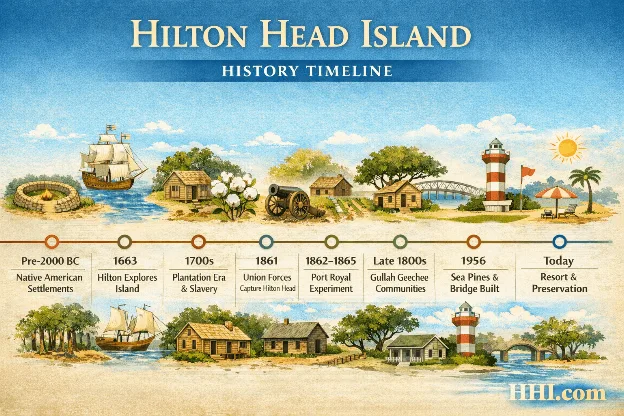
From 4,000-year-old shell rings to Civil War forts and Gullah Geechee communities: how Hilton Head became Hilton Head.
Book a Hilton Head History Tour
Heritage and history tours you can book online.
Outside
Daufuskie Island History & Artisans Excursion
2 options — pick yours when booking
From$135
Check availability


Booked through FareHarbor, the island operators’ own booking system. HHI.com may earn a commission.
Hilton Head History Sites
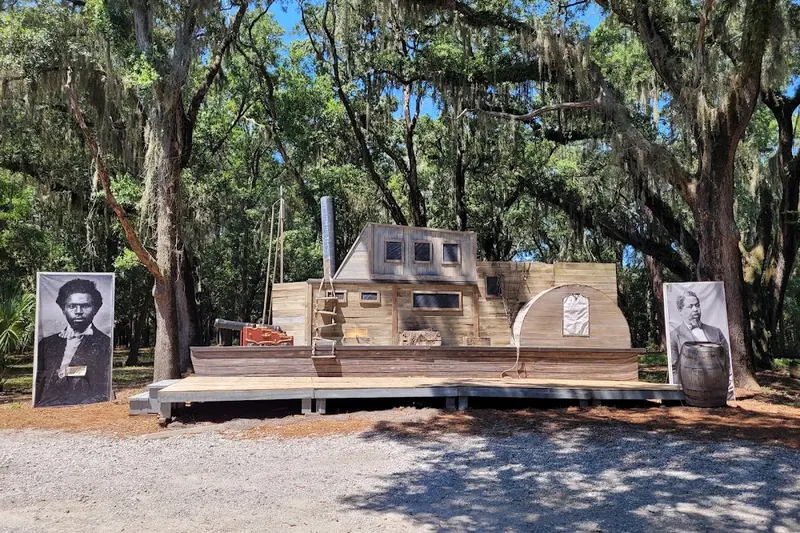
Historic Mitchelville Freedom Park, on the site of the first self-governed town of freed people in the US: free trail, exhibits and guided tours.
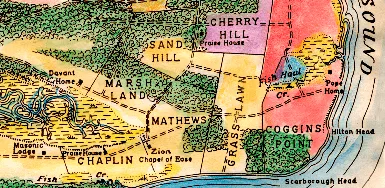
Captain William Hilton sighted the island in 1663. Who he was, why Hilton Head carries his name, and how William Hilton Parkway fits in.
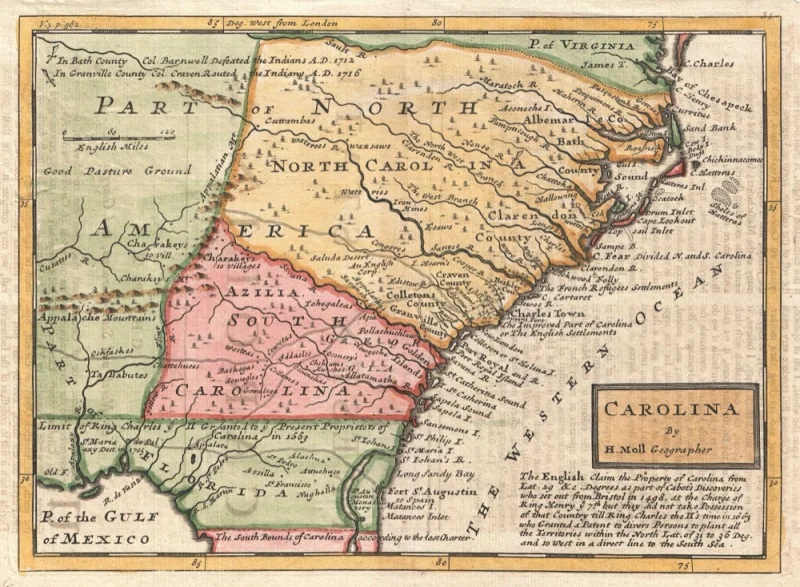
Why the Yamasee went to war in 1715, what happened at Port Royal and Beaufort, and what it meant for Hilton Head, where the Yamasee had lived.
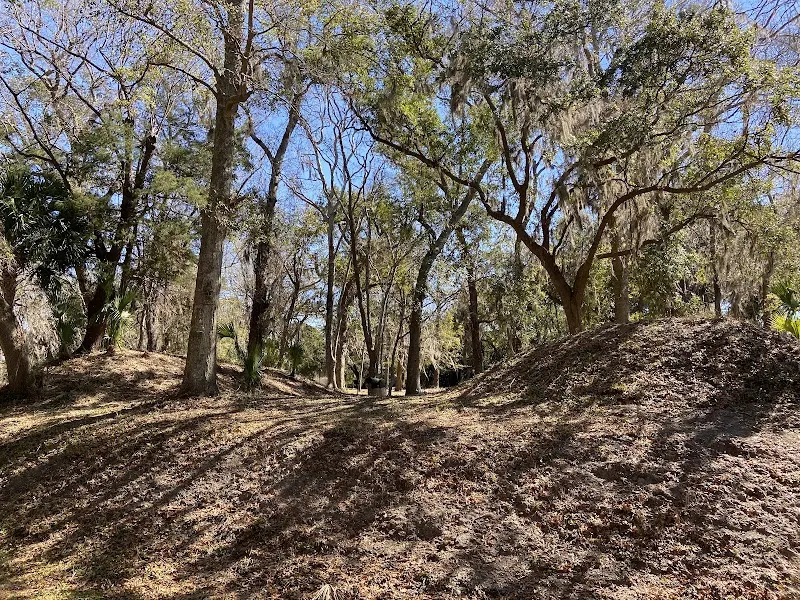
Fort Mitchel is a Civil War earthwork on Skull Creek in Hilton Head Plantation. Its history, why it was built and how to visit by gate pass or tour.
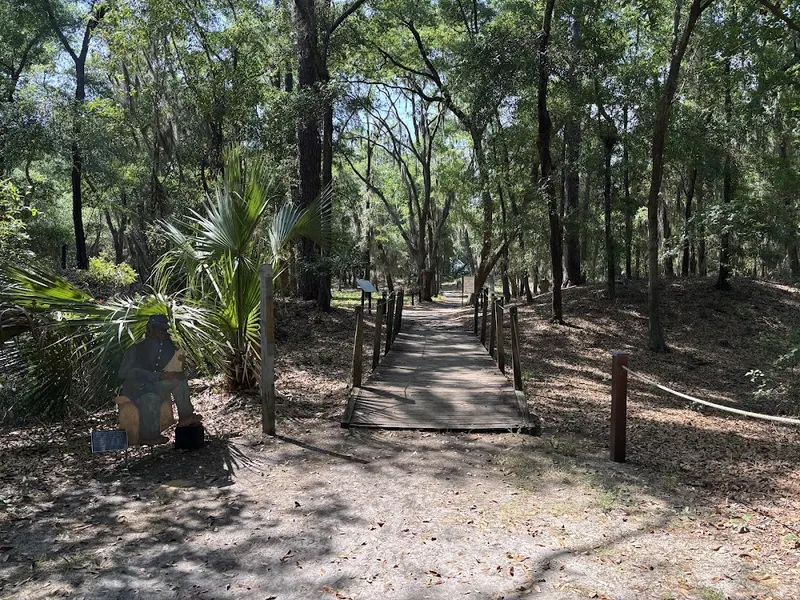
Fort Howell on Hilton Head is a free 1864 Union earthwork built to protect Mitchelville. History, what to see, hours and directions.
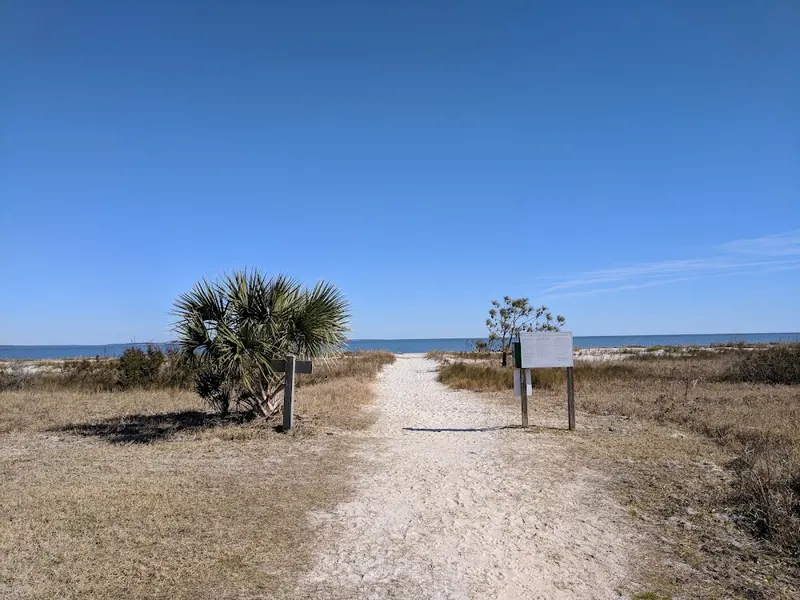
Fort Walker was the Confederate fort at the Battle of Port Royal in 1861, later Fort Welles. Its history and how to see the site today.
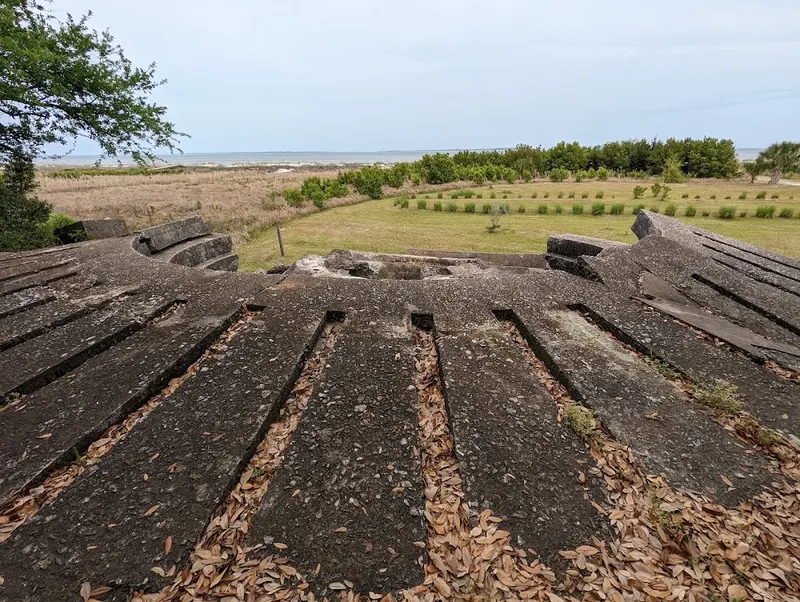
The Hilton Head Steam Gun was a 1901 Army dynamite gun at Port Royal Plantation. What is left, its history and how the public can see it.
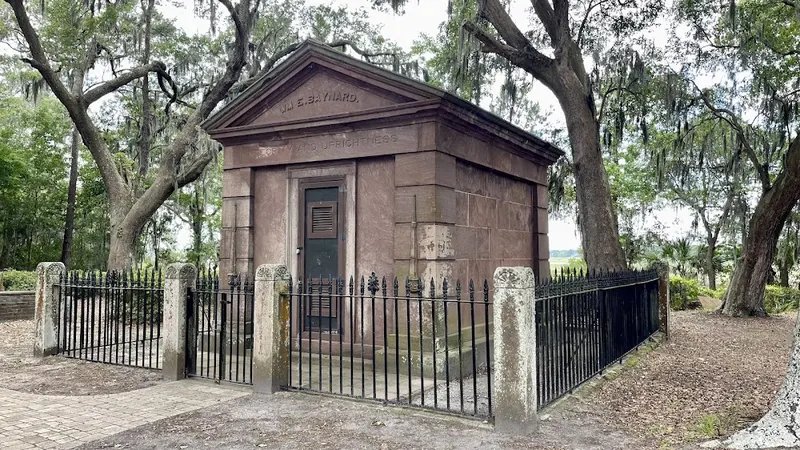
Zion Chapel of Ease on Hilton Head is a free historic cemetery with the 1846 Baynard Mausoleum. Its history, what to see and how to visit.
Gullah Geechee Culture and Museums
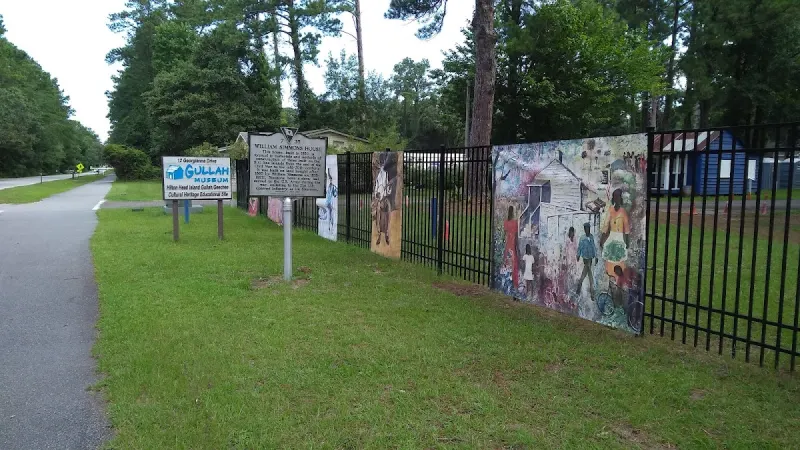
Gullah Geechee culture on Hilton Head: who the Gullah people are, their language and food, the Gullah Museum, Mitchelville, and Gullah heritage tours.
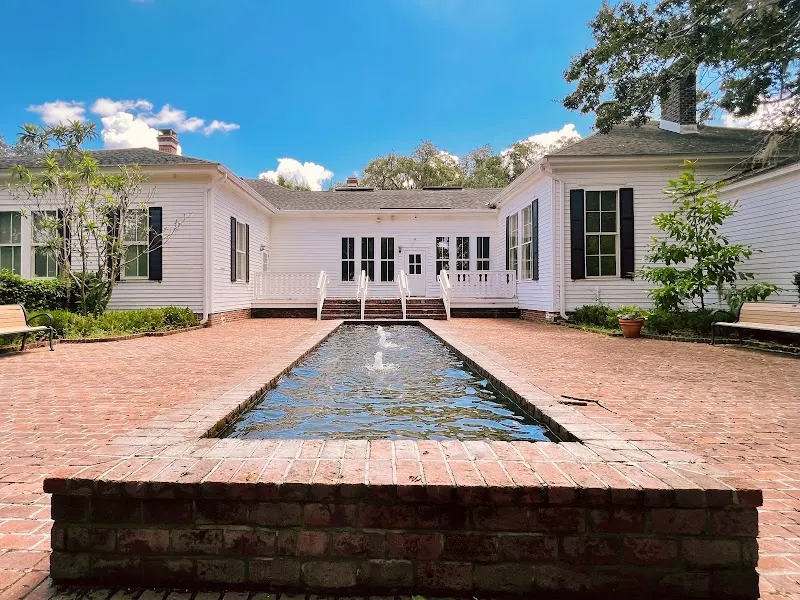
The Coastal Discovery Museum at Honey Horn: free admission, hours, tours and cruises, the farmers market and how to visit this Smithsonian Affiliate.
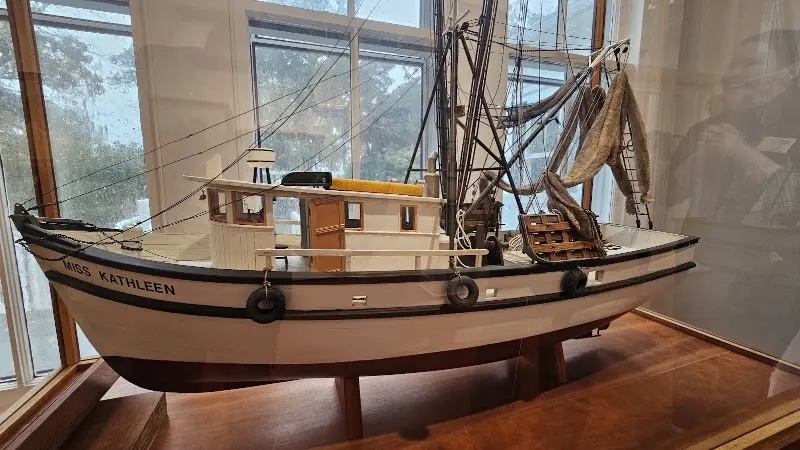
Hilton Head museums: the free Coastal Discovery Museum, The Sandbox Children's Museum and the small museums inside the lighthouse and clubhouse.
Hilton Head Island History Timeline
Before 2000 BC: Native American peoples build shell rings and settle the creeks and marshes.
1526 to 1663: Spanish and French navigators chart the coast; Captain William Hilton sights the island in 1663.
1683 to 1715: the Yamasee settle on the island, move to mainland towns around Port Royal by the 1690s, and leave the coast after the Yamasee War.
1700s to 1860: plantations of indigo, rice and Sea Island cotton, worked by enslaved Africans.
November 1861: Union forces take Hilton Head after the Battle of Port Royal.
1862 to 1865: the Port Royal Experiment and the freedmen’s town of Mitchelville.
Late 1800s: Gullah Geechee communities farm, fish and build on the island.
1956: Charles Fraser opens Sea Pines and a bridge links the island to the mainland.
1969: Harbour Town Golf Links opens.
1983: the Town of Hilton Head Island is incorporated.
Native American Heritage: Shell Rings and the Yamasee
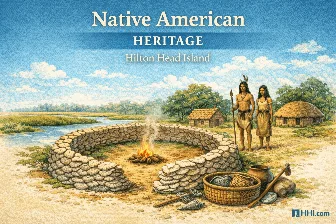
The island’s written history is short, but people have lived here for more than 4,000 years, fishing the creeks, hunting the forest and gathering oysters. They left shell rings, circles of discarded oyster shell that are among the oldest structures in North America. One is preserved in the Sea Pines Forest Preserve.
The Yamasee, allies of the English in colonial Carolina, settled on and around the island in 1683 at the Lord Proprietors’ invitation; the island was known for a time as Altamaha Island, after their chief. By the 1690s their towns had moved to the mainland around Port Royal. Trade debts and the Indian slave trade turned them against the colonists, and the Yamasee War of 1715 broke out; afterward the Yamasee left the Carolina coast for Spanish Florida.
How Hilton Head Island Got Its Name
The island has had many names. Spanish sailors knew the coast as La Punta, after the cape Ayllón charted in 1526. French explorers under Ribault called it Le Grande Ile in the 1560s. In 1663 the English captain William Hilton sighted its headland from the sea, and mapmakers began to write “Hilton’s Headland.” Later maps show Altamaha Island (1685), Bailey’s Barony (1698) and Trench’s Island (from the 1720s). Union occupation briefly renamed it Port Royal, and when the Town incorporated in 1983 the name Hilton Head Island was official.
What Is the Lowcountry?
The Lowcountry is the low, flat, tidal coast of South Carolina and Georgia: salt marsh, rivers that rise and fall with the tide, and a chain of sea islands. Hilton Head is the largest of those islands in the southern Lowcountry, and the word explains a lot of the island’s history, from rice and Sea Island cotton to the isolation that kept Gullah Geechee culture intact and the Lowcountry boil on the menu.
Plantations in Hilton Head: The Enslaved Workers Who Built Them
By the 1700s the island was a plantation economy: indigo and rice at first, then Sea Island cotton, one of the most valuable crops in the world. Every one of those plantations ran on the labor of enslaved Africans, who also brought the farming skill, craft and traditions that later became Gullah Geechee culture. Plantation names survive in today’s map: Honey Horn, now the grounds of the Coastal Discovery Museum, Stoney-Baynard, Braddock’s Point, Leamington, Fish Haul and Spanish Wells among them. Few buildings remain; the best-preserved are the tabby ruins at the Stoney-Baynard Ruins in Sea Pines. Plantations near Hilton Head, on Daufuskie and around Bluffton, have their own pages: see Daufuskie Island history and Bluffton history.
Zion Chapel of Ease and the Baynard Mausoleum
The Zion Chapel of Ease cemetery, at 574 William Hilton Parkway, sits under live oaks at the edge of a marsh. The Episcopal chapel was built about 1786 for the planters of St. Luke’s Parish and was abandoned and destroyed in 1868. What remains is the burying ground and the 1846 Baynard Mausoleum, believed to be the oldest surviving structure on the island, broken into after the Union landing and empty since. The Heritage Library cares for the site, and in the fall its guides, in period costume, lead tours of the cemetery on Tuesday mornings, past the graves of Revolutionary War veterans and into the story of the mausoleum. Tours cost $10 and must be booked ahead.
The Civil War and the Port Royal Experiment
On November 7, 1861, a Union fleet took Port Royal Sound. Fort Walker on Hilton Head fell, and the island became the headquarters of the Union’s South Atlantic blockade. Planters fled, and thousands of freed people arrived. The Union built forts to hold the north end, among them Fort Mitchel and Fort Howell (built in 1864 to protect Mitchelville). The Port Royal Experiment began: one of the first attempts to move people from slavery to freedom, with wages, schools and land. Mitchelville, founded in 1862 for freed families, was among the earliest self-governing freedmen’s towns.
Two more forts survive at the northeast end, on Port Royal Plantation: Fort Sherman, built in 1862, and the site of Fort Walker, beside the Steam Gun, a 1901 dynamite gun placed there to defend the sound. The community is gated, so see them on the Coastal Discovery Museum’s Forts of Port Royal tour.
Reconstruction and the Gullah Geechee Communities
After the war, freed families bought or settled land and built self-sufficient communities of farms, fishing and craft work on the island’s north end. With no bridge and little outside influence until the middle of the 20th century, they kept their language, cooking, stories, music and sweetgrass baskets almost whole. Gullah Geechee culture is a living part of the island today, and it has its own section of this guide.
Modern Hilton Head: Sea Pines and the Bridge
Most of the island was still woods and farms in 1956, when the bridge opened and developer Charles Fraser began Sea Pines. His plan kept buildings low, saved the live oaks and marshes, and set a model for coastal development: the reason Hilton Head still looks the way it does. Harbour Town Golf Links opened in 1969, and the island has hosted the RBC Heritage there ever since.
Historic Places Around the Island
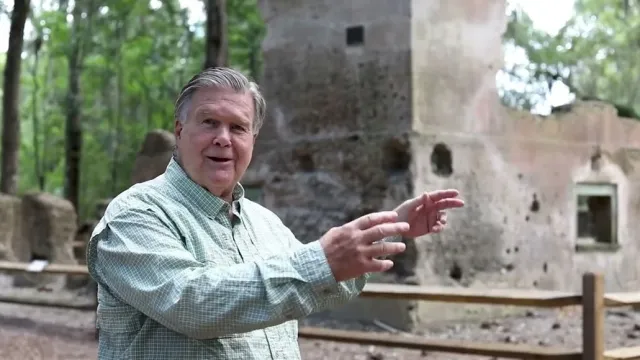
The Stoney Baynard Ruins in Sea Pines: tabby plantation house history, what remains, the address at 84 Baynard Park Drive, parking and the gate fee.
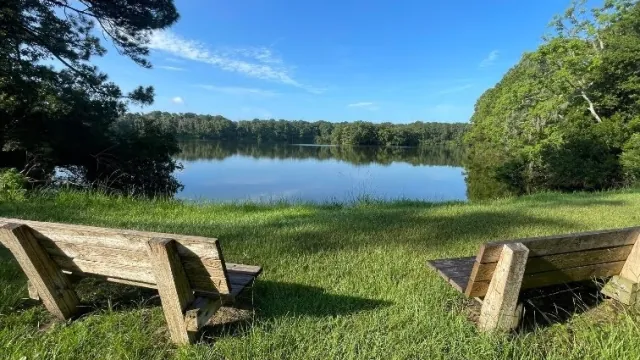
Sea Pines Forest Preserve on Hilton Head: 605 acres, trails, the Shell Ring, Fish Island, alligator tours, hours, parking, and the gate fee.
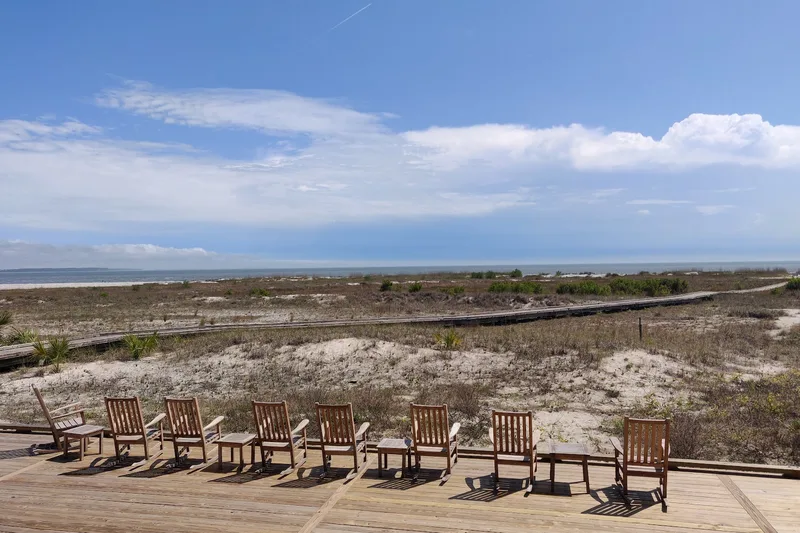
Port Royal Plantation, the private oceanfront community on Hilton Head: the gate and passes, the beach and Beach House, golf, history and rental rules.
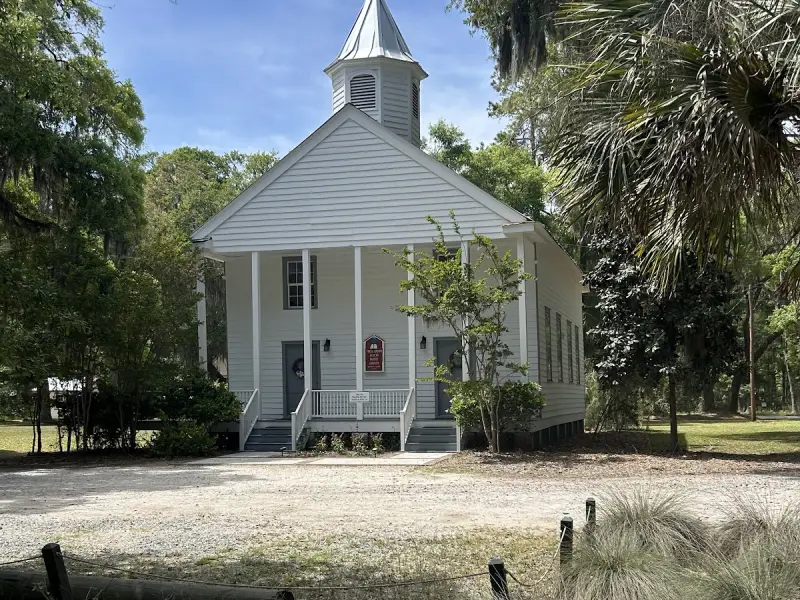
Yamacraw Island is Daufuskie: Pat Conroy's The Water Is Wide, the island's Gullah heritage and oyster days, and the historic church and school to visit.
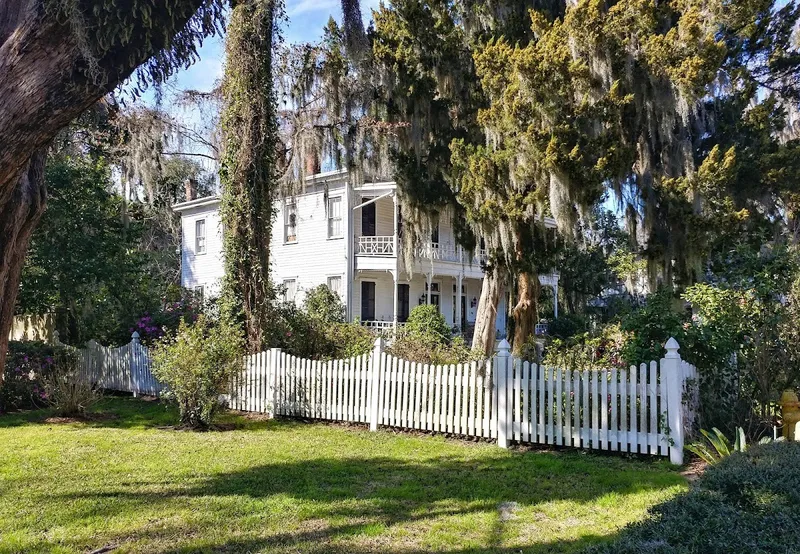
Bluffton, South Carolina history: the 1844 Bluffton Movement and Secession Oak, the 1863 burning, the Church of the Cross and the oyster years.
Frequently Asked Questions
What is the history of Hilton Head Island?
Native peoples lived here for over 4,000 years, and English captain William Hilton sighted the island in 1663. Plantations worked by enslaved Africans followed, Union forces took the island in 1861 and the Port Royal Experiment began, Gullah Geechee communities grew after the war, and Sea Pines opened in 1956.
Who discovered Hilton Head Island?
Native Americans lived here first. Spanish and French navigators charted the coast in the 1500s, and the English captain William Hilton sighted the headland in 1663, which gave the island its name.
What happened to the Yamasee on Hilton Head?
The Yamasee settled on the island in 1683, and by the 1690s their towns had moved to the mainland around Port Royal. After the Yamasee War of 1715 they left the Carolina coast for Spanish Florida.
Where can I learn about Hilton Head history in person?
The Coastal Discovery Museum at Honey Horn is the main museum, the Heritage Library runs tours of Fort Mitchel and cares for the Zion Chapel of Ease cemetery, and Gullah heritage tours cover the island’s Gullah Geechee communities.
Your beach week starts here
Compare villa and beach home prices from local rental companies side by side, and catch last-minute deals before they’re gone.
Property manager? Partner with us