
Bluffton South Carolina History: From the Bluffton Movement to Today
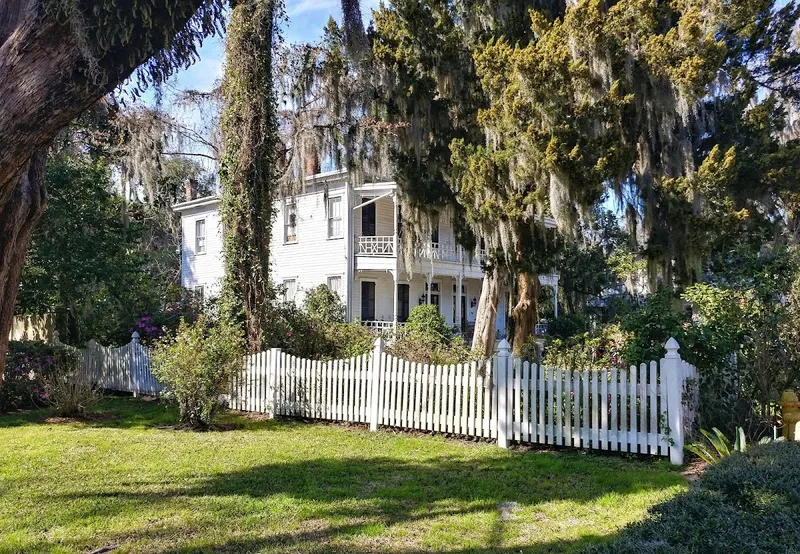
Bluffton began as a summer retreat on the May River, gave its name to the 1844 Bluffton Movement, lost most of its buildings to fire in 1863, and rebuilt on oysters.
- Founded as: a summer retreat, early 1800s
- 1844: the Bluffton Movement, at the Secession Oak
- 1863: Union raid burns about 75% of the town
- Rebuilt on: oysters, late 1800s
The history of Bluffton, South Carolina, starts on a bluff above the May River. Before Europeans, the coast was Yemassee country; the Yemassee War of 1715 drove them south to Florida. The town took shape in the early 1800s, when planter families built summer houses along the bluff to escape the fevers of their inland plantations. By 1830 it was both a summer retreat and a small commercial and social center, and its streets are still laid out for that. Everything below can be seen today in Old Town Bluffton, part of the Bluffton guide.
The Bluffton Movement and the Secession Oak
On July 31, 1844, planters angry about the Tariff of 1842 and Congress’s refusal to annex Texas met under a big oak in Bluffton and called for South Carolina to secede if the South’s rights, slavery among them, were not protected. It was the first organized political movement for South Carolina’s secession, and it is known as the Bluffton Movement. The tree, the Secession Oak, is estimated at more than 400 years old and still stands in Old Town.
The Church of the Cross
The Church of the Cross was built in the 1850s to a design by Edward Brickell White, in wood, in the Gothic Revival style. It stands where Calhoun Street meets the river. It has been on the National Register of Historic Places since 1975 and offers free docent-led tours on weekdays and Saturdays at midday.
The Burning of Bluffton, 1863
On June 4, 1863, Union forces raided Bluffton in the Bluffton Expedition and burned most of it: about 75% of the town, more than 34 buildings, leaving roughly 15 homes and two churches. The Church of the Cross was among the survivors. The Heyward House, built around 1841, is one of only eight antebellum homes still standing.
Oysters and the River Trade
The town came back on the water. In the late 1800s the oyster harvest and canning trade drove a recovery, and the river was the road: goods and people moved by boat until the Houlihan Bridge opened in 1922 and shifted commerce onto the road. Bluffton went back to being a quiet summer village,. Bluffton Oyster Company is still at the water on Wharf Street.
Freedom and Community After the War
The Garvin-Garvey House, built around 1870 by a freed man, is a reminder that the town’s story is not only the planters’. It is toured on Tuesdays and Thursdays through the Heyward House, whose own story includes the labor of the enslaved people who built it and the original cabin still standing on its grounds.
Bluffton Today
For a hundred years Bluffton stayed small. The growth of Hilton Head Island in the last 60 years brought a wave of new residents across the bridge, while Old Town keeps its historic district. For the island’s own past, see Hilton Head history.
Historic Bluffton
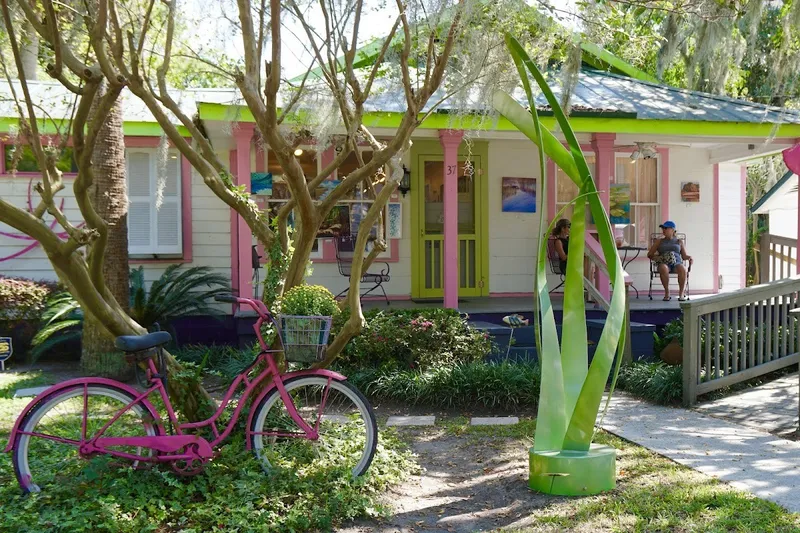
Old Town Bluffton, SC: Calhoun Street, the Heyward House, galleries, the Church of the Cross, the May River dock and restaurants, all within a short walk.
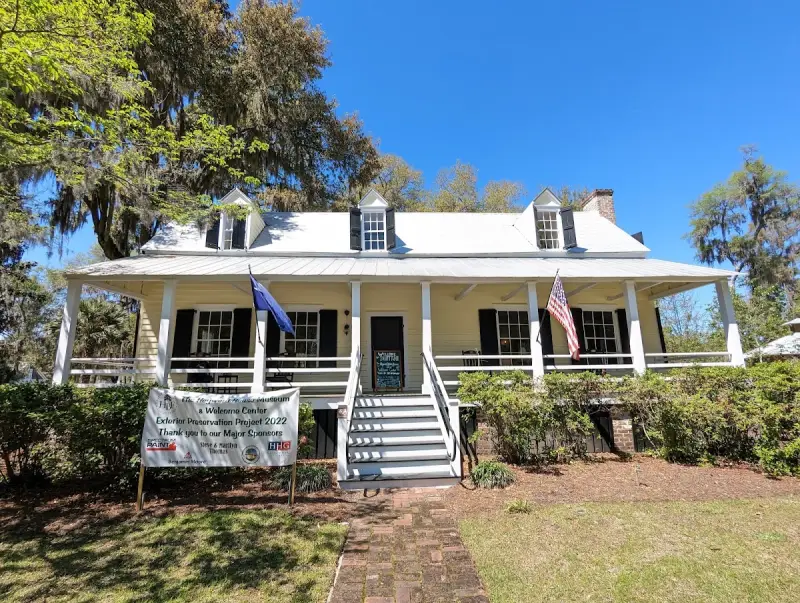
The Heyward House in Old Town Bluffton: a c. 1841 Carolina farmhouse museum with hours, guided walking and golf-cart tours, and parking.
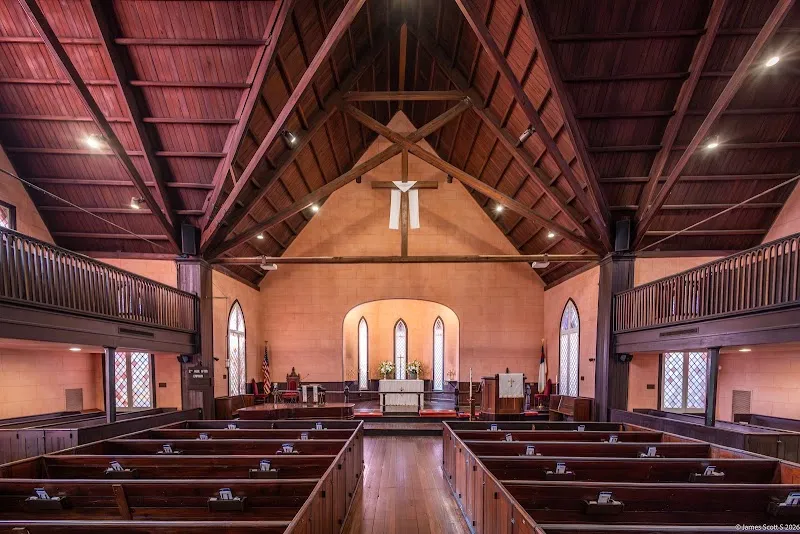
Church of the Cross on Calhoun Street in Old Town Bluffton: an 1850s wooden Gothic Revival church, service times, visiting hours and history.
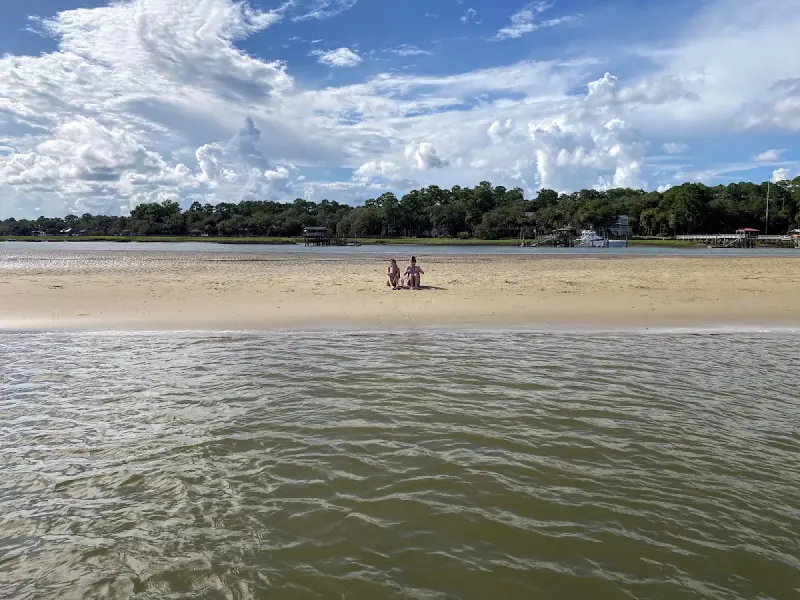
The May River in Bluffton, SC: when the sandbar shows at low tide, kayak and boat tours to book, public landings, and today's Bluffton tides.
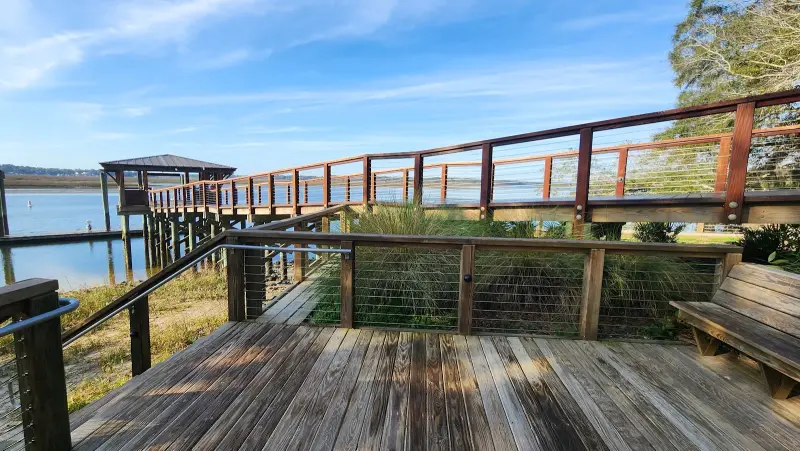
Bluffton, SC, across the bridges from Hilton Head: Old Town on the May River, where to eat, what to do, hotels, the grocery run and Palmetto Bluff.
Frequently Asked Questions
What was the Bluffton Movement?
A political movement launched under a large oak in Bluffton on July 31, 1844, by planters who called for South Carolina to secede if the South’s rights were not guaranteed. It was the first organized secession movement in the state.
What happened to Bluffton in the Civil War?
On June 4, 1863, Union forces burned about 75% of the town. The Church of the Cross was one of the buildings that survived.
Where is the Secession Oak?
In Old Town Bluffton. The tree is estimated at more than 400 years old.
What is the oldest house in Bluffton?
The Heyward House, at 70 Boundary Street, dates to around 1841 and is one of only eight antebellum homes left in Bluffton. It is a museum.
Can you tour historic Bluffton?
Yes. The Heyward House runs 1.5-hour walking and golf-cart tours of the historic district, booked ahead on (843) 757-6293, and a self-guided walking tour brochure is available.
Local guides like this come standard for Guests of Partner Properties — one small part of what a Partner Property gives every guest.
Book Partner Properties