
Shelling on Hilton Head Island
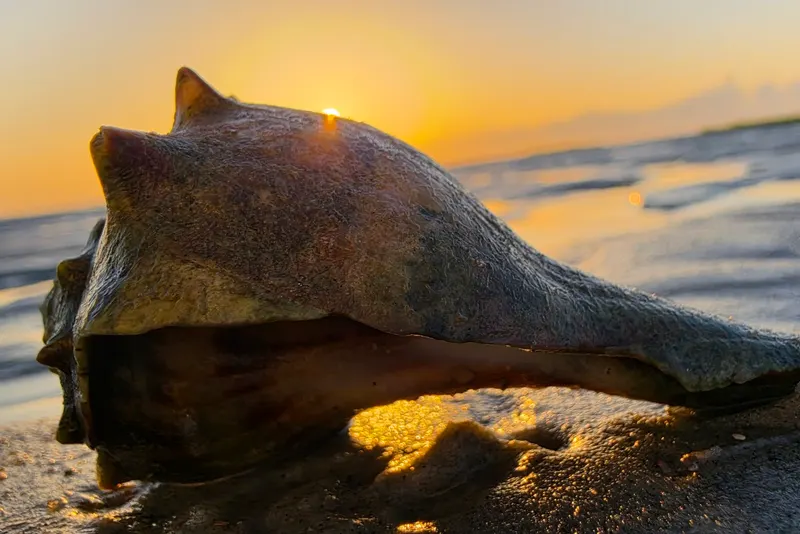
Hilton Head shelling is best at low tide on the north end’s Fish Haul Beach, or by boat on the Vanishing Island sandbar.
- Best beach: Fish Haul Beach Park, north end
- Best time: a falling or low tide, early in the day
- Common finds: whelks, lettered olives, coquinas, shark teeth
- By boat: the Vanishing Island sandbar
- The rule: leave anything that’s still alive
Shelling on Hilton Head Island is good if you pick the right beach and the right hour. The wide ocean beaches that most visitors walk are raked by waves and by thousands of other beachcombers, so the tide line near the resorts is thin by mid-morning. The better finds are on the island’s quieter edges, where the water is calmer and the flats open up at low tide, and on the sandbars out in the sound that you can only reach by boat.
The Best Beaches for Shells on Hilton Head
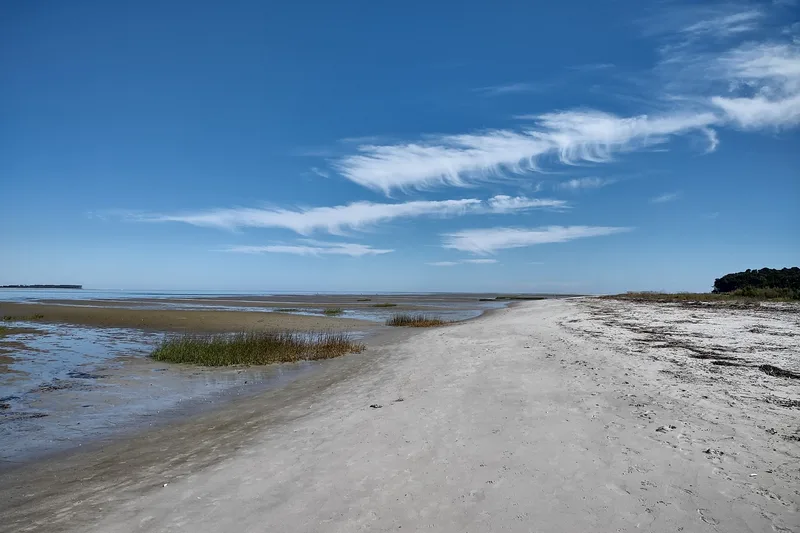
Fish Haul Beach Park, formerly Mitchelville Beach Park, on Hilton Head Island: address, parking, and amenities for this sound-side beach in Bay Gall.
Burkes Beach Access on Hilton Head: where to park at Chaplin Community Park and Castnet Drive (382 paid spaces), what’s at the beach, and nearby options.
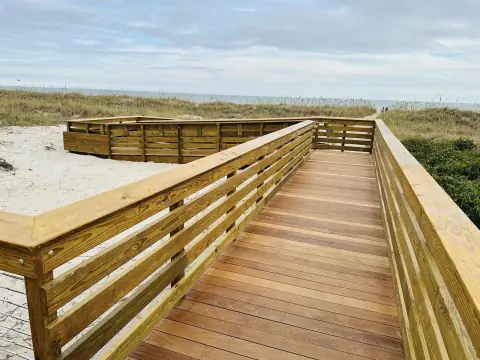
Folly Field Beach Park on Hilton Head Island: address, metered parking, and amenities for this quieter mid-island beach off Folly Field Road.
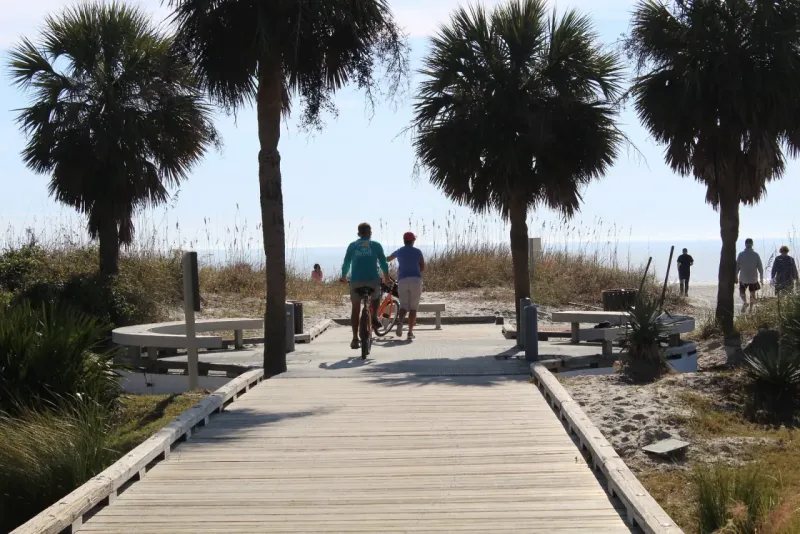
Coligny Beach Park: parking, ADA access, restrooms, and shuttle info for Hilton Head’s most popular beach, steps from Coligny Plaza shopping.
Fish Haul Beach Park is the one to start with. It faces Port Royal Sound on the north end, not the open ocean, and at low tide the water pulls back across a wide flat of sand and shell. Whole whelks, moon snails and heaps of broken shell collect here, and it is the most reliable place on the island to find fossil shark teeth. Horseshoe crabs are common too. If a shelling guide sends you to Mitchelville Beach, it means this same spot: the Town renamed it Fish Haul Beach Park in 2020. Wear shoes you don’t mind getting muddy, since parts of the flat are soft.
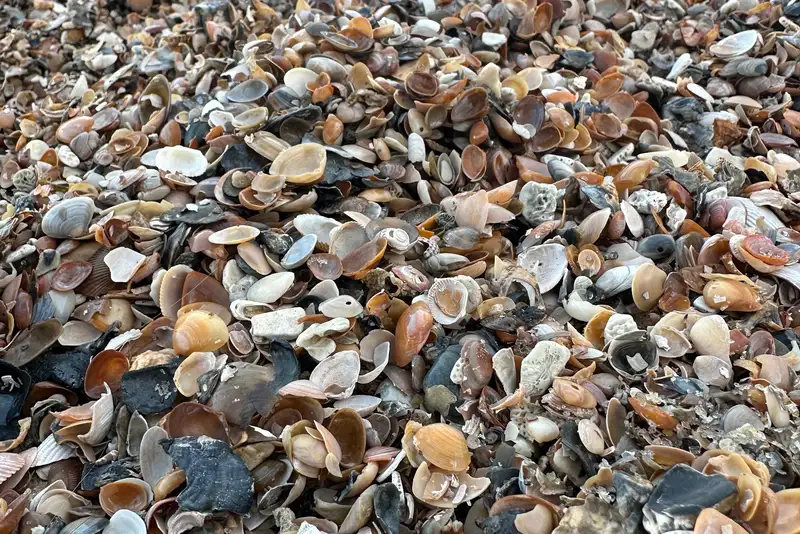
Burkes Beach and Folly Field are the ocean beaches to try next. Both are mid-island, both are quieter than the south end, and at low tide the beach is wide and flat enough that shells get left behind rather than rolled away. Go early and walk the wet sand just below the high-tide wrack line.
Coligny Beach Park is the easiest shell beach on Hilton Head to get to, with free parking and restrooms, and children find plenty of coquinas and small clam shells there. It is also the busiest beach on the island, so the good pieces go early. Get there at sunrise on a low tide.
Is There a Shell Island at Hilton Head?
Not by that name. No island on the map around Hilton Head is called Shell Island, and there is nothing under that name in the Town’s parks or on Google Maps. When people ask for Shell Island here they usually mean the Vanishing Island, a sandbar in Calibogue Sound between the south end of Hilton Head and Daufuskie Island. It comes up out of the water as the tide falls and goes under again as it rises, and in between it is covered in sand dollars, whelks and other shells. (The well-known Shell Island is in Panama City Beach, Florida.)
The other shell place people have in mind is the Sea Pines Shell Ring, a circle of discarded oyster and clam shell about 4,000 years old in the Sea Pines Forest Preserve. It is an archaeological site, not a shelling beach: you walk the boardwalk and look.
How to Get to Shell Island (the Vanishing Island)
Only by water. The easiest way is a guided beachcombing trip, which several local operators time to the tide so you land while the bar is uncovered and leave before it floods. You can also go by rental boat, or by kayak if you are an experienced paddler. Calibogue Sound has strong tidal currents and steady boat traffic, and the bar is only dry for a short window around low tide, so check the Hilton Head tide chart before you set out and keep an eye on the water while you are there.
Vanishing Island Shelling Tours


Booked through FareHarbor, the island operators’ own booking system. HHI.com may earn a commission.
When to Go Shelling on Hilton Head
Plan around the tide, not the clock. The two hours either side of low tide give you the most exposed sand, and an early low tide is best of all, before other people have walked the beach. The days after a big storm or a strong northeast wind can bring in shells that normally stay offshore. Hilton Head has two low tides a day, about an hour later each day, so the tide times for the week tell you which mornings to set an alarm.
Common Hilton Head Shells
Whelks. The big spiral shells most people call conchs. Knobbed and channeled whelks are both common, and a whole one is the prize of the day.
Lettered olive. A glossy, bullet-shaped shell with brown markings like handwriting. It is South Carolina’s state shell.
Coquina clams. Tiny shells in every color, often found as a matched pair still joined at the hinge.
Angel wings. Long, thin, white and fragile. Carry them home on top of everything else.
Moon snails. Smooth, round and gray-brown, with a spiral on top.
Sand dollars. Flat and round, usually in the shallows. Take only white, bleached ones.
Shark teeth. Fossils, black or dark gray, usually no bigger than a fingernail. Look in the bands of broken shell at the water’s edge.
What You Can and Can’t Take
Empty shells are yours to keep. Anything alive stays on the beach: the Town of Hilton Head Island prohibits harming or removing live beach animals, and its rules name sand dollars, conchs and starfish specifically. Fines and court costs run up to $1,092.50 per offense, according to the Town’s beach regulations.
To check a sand dollar, turn it over: if the fine spines on the bottom are moving or it is dark and fuzzy, it is alive, so set it back in the water. For a whelk, look inside the opening; if there is a snail or a hermit crab in it, put it back. Holes you dig for shells can be no deeper than 12 inches, and you need to fill them in before you leave, because sea turtle hatchlings and people walking at night fall into them.
More for Beach Days
Every named beach on Hilton Head Island — Coligny, Driessen, Folly Field, Burke's, and more — with parking, amenities, and which one is right for your trip.
Hilton Head tide chart with today's high tide and low tide, plus tide times for Daufuskie Island — by location: Harbourtown, Skull Creek, Broad Creek, and more.
Fish Haul Beach Park, formerly Mitchelville Beach Park, on Hilton Head Island: address, parking, and amenities for this sound-side beach in Bay Gall.
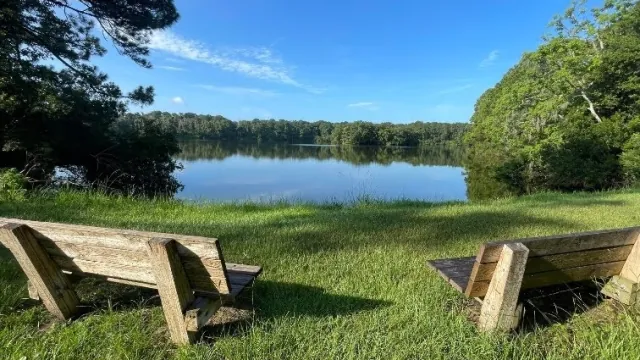
Sea Pines Forest Preserve on Hilton Head: 605 acres, trails, the Shell Ring, Fish Island, alligator tours, hours, parking, and the gate fee.
Frequently Asked Questions
What is the best beach for shells on Hilton Head?
Fish Haul Beach Park on the north end, formerly called Mitchelville Beach Park. It faces Port Royal Sound, and at low tide it opens into a wide flat with whelks, moon snails and fossil shark teeth. Burkes Beach and Folly Field are the best of the ocean beaches.
Is there a Shell Island at Hilton Head?
No place on Hilton Head is called Shell Island. Most people asking mean the Vanishing Island, a sandbar in Calibogue Sound between Hilton Head and Daufuskie that appears at low tide and is covered in shells. The well-known Shell Island is in Panama City Beach, Florida.
How do you get to the Vanishing Island?
By boat or kayak only. Most people go on a guided beachcombing trip, which is timed so you arrive while the sandbar is uncovered. If you go on your own, check the tide chart first; the bar is only dry for a short time around low tide.
Can you take shells from Hilton Head beaches?
Empty shells, yes. Removing live animals is against Town rules, including sand dollars, conchs and starfish, with fines and court costs up to $1,092.50 per offense. If a sand dollar’s spines are moving or a shell has something living in it, put it back.
When is the best time to go shelling on Hilton Head?
Within about two hours of low tide, ideally early in the morning before the beach gets busy. The days after a storm or a strong northeast wind are often the best of the year.
Can you find shark teeth on Hilton Head?
Yes. Fossil shark teeth are small and black or dark gray, and Fish Haul Beach Park is the most reliable place to find them. Search the bands of broken shell at the water’s edge on a falling tide.
Local guides like this come standard for Guests of Partner Properties — one small part of what a Partner Property gives every guest.
Book Partner Properties